A foldable earns its place in your pocket when its larger screen helps often enough to justify the extra weight, cost and care. Google’s Pixel 11 Pro Fold makes a stronger case than its predecessor on paper: it is almost 10% lighter, about 1 mm thinner, and built around a redesigned hinge. The question is whether those changes make it easier to live with every day.
A Bigger Screen With a Clearer Job
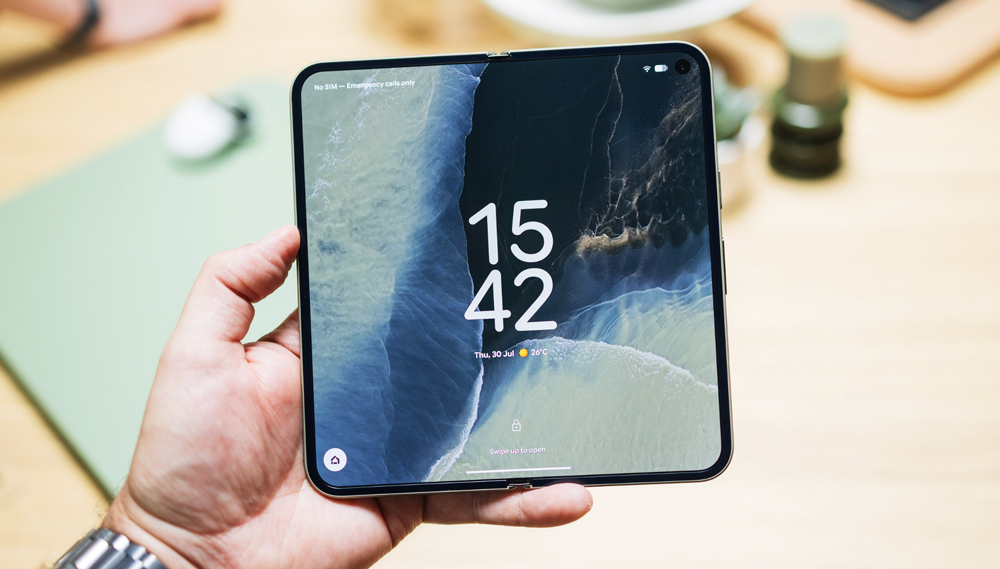
The 6.5-inch outer display handles ordinary phone tasks without requiring you to unfold the device. Open it, and the 8-inch inner display gives you room to read, edit and work across apps. That combination matters more than screen size alone. A useful foldable should let you answer a message while checking a document, then close it and carry on without breaking your flow.
Google has given that workflow several practical tools. Split Screen places two apps side by side, and saved app pairs let you reopen combinations you use regularly. On Android 17, bubbles can keep another app in a floating window over a split-screen view. Google has also adjusted the bubble bar for the Fold’s inner display, putting quick access to those apps near the lower corner. It gives the larger screen a purpose beyond making one app look bigger, although the value depends on whether your own apps work well together in these layouts.
Durability Moves Forward
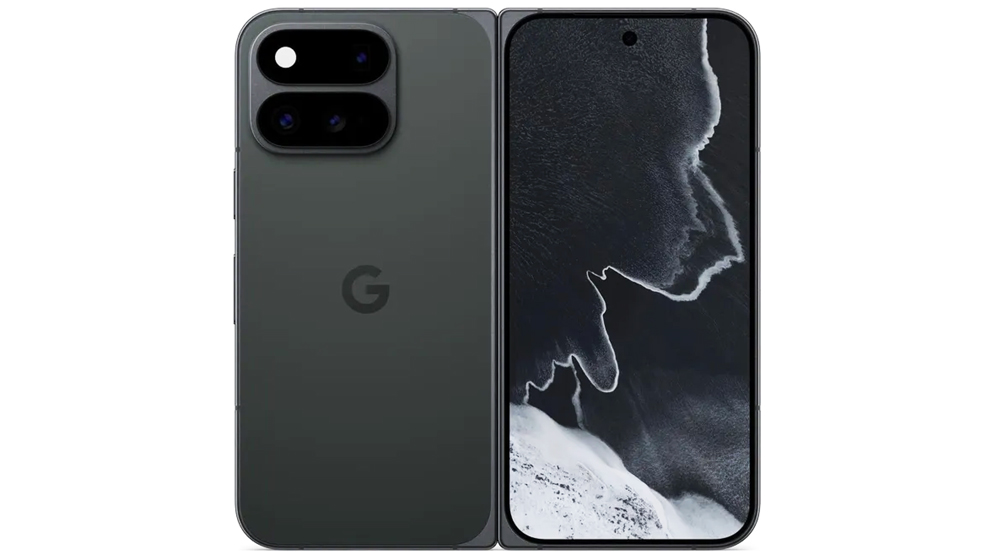
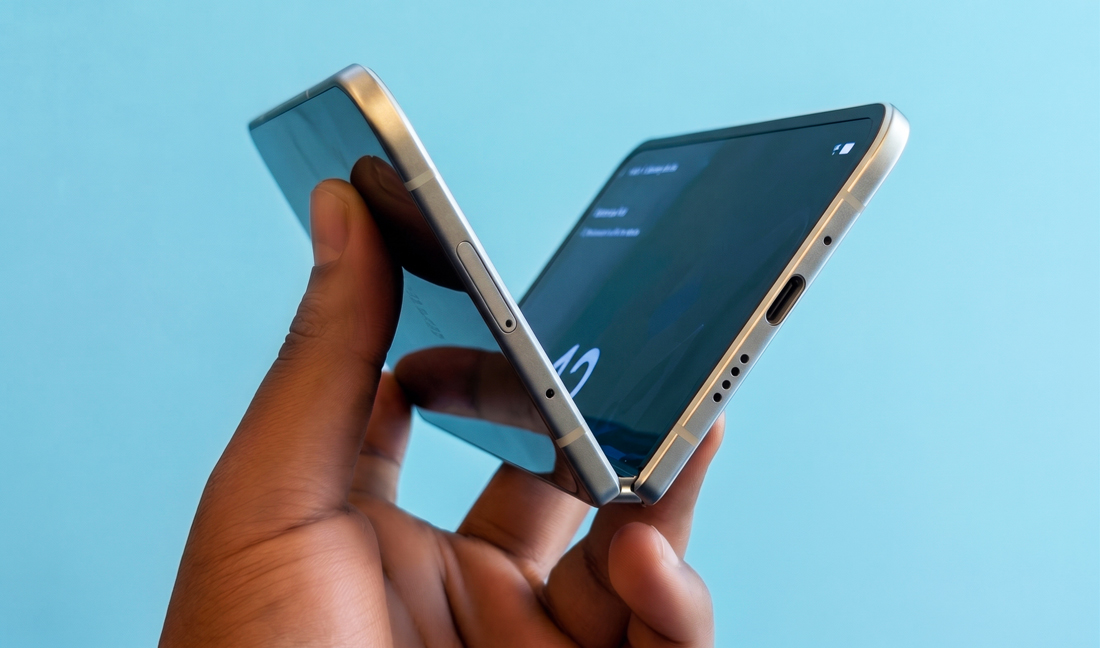
Google says the Pixel 11 Pro Fold is three times more durable than the Pixel 10 Pro Fold in its internal testing. It credits a new gearless hinge, a glass fiber composite back and ceramic cover glass on the outer display. The hinge also gives the inner screen a larger bend radius, which Google says improves crease performance. IP68 dust and water resistance returns. These are welcome changes for a phone that is opened, closed and carried throughout the day, but the durability comparison comes from Google’s testing; it is not a promise that the phone will survive a drop without damage.
The smaller physical changes may be just as noticeable. Less weight and thickness should make the Fold more comfortable to hold closed, while Google’s claimed 20% increase in brightness for both displays should help outdoors. Those are sensible improvements to the moments when owners use the device as a regular phone, which is likely to be much of the day.
The Everyday Details
Google rates the battery for more than 24 hours and says a compatible wired charger can bring it to about 50% in 30 minutes. Qi2.2 wireless charging reaches up to 25W. The phone also has a new 48-megapixel main camera, while HiLight uses LEDs by the camera to show glanceable signals for features such as selected incoming calls and hands-free Gemini use. Battery life and charging results will vary in practice, particularly with heavy use of the inner screen.
Google promises seven years of operating system, security and Pixel Drop updates. That long support window helps the value argument for an expensive device, though buyers still have to decide whether they will use the inner screen enough to justify the Fold’s price and weight.
Final Byte
Google has made the Pixel 11 Pro Fold more practical in the ways that count: easier to carry, better equipped for juggling apps and more robust by its published design and test claims. Its strongest use case is straightforward: keep it closed for quick tasks, then open it when two or three apps genuinely make the job easier. How comfortably the hinge, inner display and battery hold up through months of daily use remains the test that an announcement cannot settle.