The chatbot is becoming more than a place to ask questions. It is turning into a new kind of commercial gateway, one that can help people compare laptops, plan holidays, choose software, find restaurants and narrow down almost any purchase without opening a page of traditional search results. That makes conversational AI enormously valuable to advertisers, but it also introduces a problem the industry cannot afford to dismiss: an answer feels more authoritative than an ad.
Advertising has now moved decisively into AI-assisted discovery. ChatGPT began testing ads in the United States in February 2026 before expanding into Canada and other international markets, followed by a major European rollout in August. Google is testing sponsored formats in AI Mode, Microsoft supports advertising across Copilot search and answer surfaces, and Perplexity was among the first answer engines to experiment with sponsored follow-up questions. The commercial logic is easy to understand. Running advanced AI services is expensive, while most users still expect useful access at little or no cost. Advertising can help close that gap. Keeping user trust will be the harder engineering challenge.
The Answer Box Is Becoming the Storefront
Traditional search advertising is built around a page of choices. Sponsored links may appear above organic results, but users can usually see several competing sources, scan their labels and decide what to open. A chatbot compresses that experience into a direct response. It may interpret the question, understand the user’s constraints and present one or two recommendations in a confident conversational voice. That convenience is precisely what makes the format commercially powerful—and potentially more influential.
The new ad systems are already moving beyond simple banners. Google’s experimental Highlighted Answers can place a clearly sponsored option within a recommendation list in AI Mode, accompanied by an AI-generated explainer. Microsoft’s advertising tools can highlight relevant benefits such as free shipping or in-store pickup within Copilot shopping experiences. ChatGPT places sponsored messages separately from its organic answers and selects them according to relevance, while Perplexity’s early format used sponsored follow-up questions whose resulting answers were generated by the platform rather than written by the advertiser.
These formats try to make advertising useful at the exact moment someone is deciding what to do or buy. A relevant hotel offer during trip planning can save time. A discount on a product already being compared can have real value. The danger begins when helpful context and paid persuasion become difficult to distinguish.
Why Conversational Advertising Feels Different
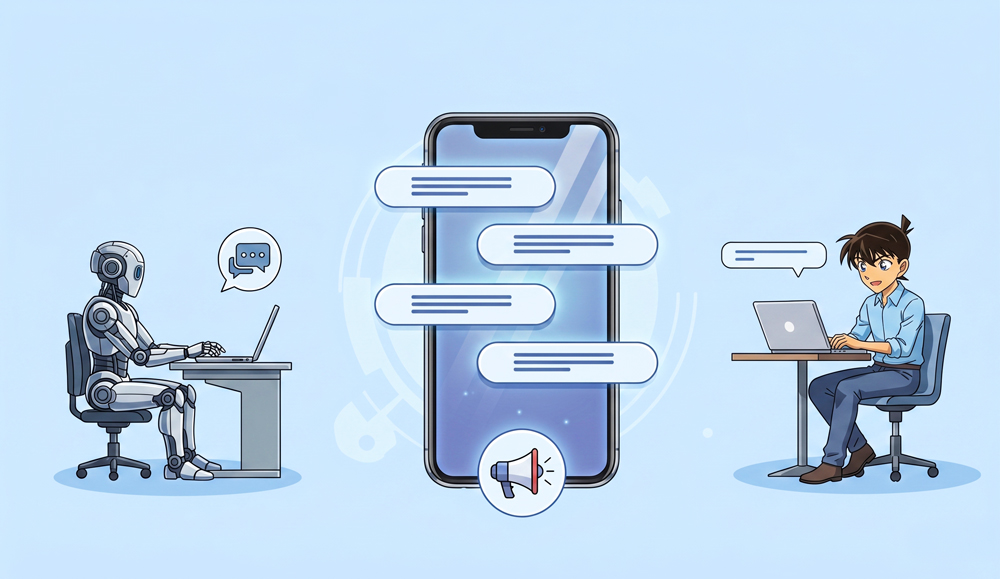
People reveal far more in a conversation than they typically put into a search box. A user might explain a budget, family situation, health concern, travel dates, personal taste and previous purchases across several messages. That context can produce a better answer, but it can also produce remarkably precise advertising. The same personalization that makes an ad feel useful can make it feel intrusive if the user does not understand how it was selected.
The trust gap is already visible. A July 2026 DoubleVerify-commissioned survey of 22,000 consumers across 22 markets found that 46 percent viewed advertising in AI chat platforms positively. In North America, that figure fell to 34 percent. Contextually relevant advertising was the only tested placement in which positive sentiment outweighed negative sentiment, while ads beside negative, highly personal or emotionally sensitive conversations received much colder reactions.
This explains why sensitive-topic boundaries matter so much. OpenAI says advertisers do not receive access to conversations, chat history, memories or personal details, and that they receive only aggregated performance information such as views and clicks. Its current safeguards also exclude accounts belonging to—or believed to belong to—people under 18 and prevent ads from appearing near topics such as health, mental health and politics. Users can dismiss ads, inspect why they were shown, manage personalization and delete advertising data. Those controls are not decorative extras; they are part of the product’s trust architecture.
A Label Is Necessary, but It Is Not Enough
Every serious chatbot ad system is emphasizing visible sponsorship labels, but a small “Sponsored” marker cannot carry the entire burden. The placement must also look separate from the answer, and the platform must explain exactly what the advertiser paid for. Did the brand pay to appear beside the response, to be included in a recommendation list or to influence the wording of the recommendation itself? Those are very different arrangements, even if all three carry the same label.
The safest model keeps the factual answer independent, then presents a clearly defined commercial option outside it. OpenAI says advertising does not influence ChatGPT’s answers. Google says its newer AI Mode ad formats remain labeled and include an independent AI explainer alongside the advertiser’s material. Perplexity similarly said advertisers could sponsor a follow-up question but could not write or edit the answer. These separations are promising, but users will judge the experience by what they see, not by policy language hidden elsewhere.
Platforms will also need to resist subtler forms of influence. Even if an advertiser cannot directly edit an answer, an ad-funded service could still be tempted to favour longer sessions, steer more conversations toward shopping or design responses that create additional commercial opportunities. None of that requires a secret paid recommendation. It can happen gradually through product targets and interface choices. Trust therefore depends on keeping answer quality—not clicks, time spent or purchase conversion—as the primary measure of whether the assistant performed well.
Ad-Free AI Becomes a Competitive Feature
Not every company is following the advertising route. In February 2026, Anthropic said Claude would remain ad-free, arguing that conversational assistants are used for sensitive discussions, complex work and deep thinking in ways that make commercial influence especially uncomfortable. The company said its revenue would continue to come from subscriptions, enterprise customers and developer services, while acknowledging that the approach carries trade-offs.
That decision turns the absence of advertising into a product distinction. Users may eventually choose assistants partly by business model: a free service supported by clearly separated ads, a lower-cost plan with limited advertising or a premium workspace with no commercial messages at all. Privacy, independence and interface calm could become selling points in the same way that speed and model intelligence are today.
The Business Case Is Strong
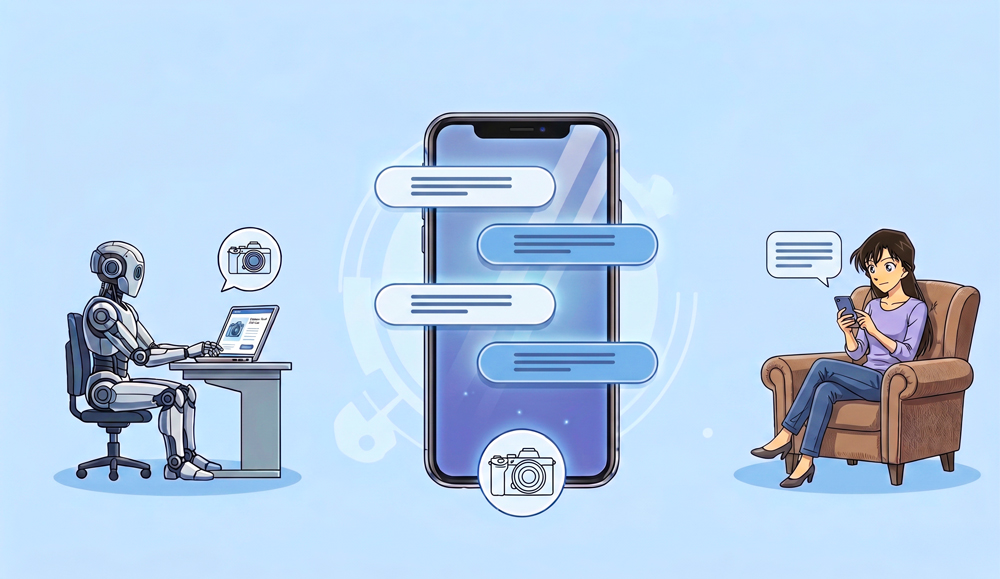
Advertising can make capable AI available to more people. ChatGPT limits its current ads to Free and Go users while keeping higher-priced plans ad-free, giving people a visible exchange: accept advertising, choose a reduced free allowance without it or pay for an ad-free experience. Other platforms are developing their own mixtures of subscriptions, enterprise services, commerce and advertising. There is no single business model that will fit every assistant.
The commercial opportunity is also larger than conventional search targeting. A chatbot may understand not only that someone wants a camera, but that they need one for low-light travel photography, prefer a compact body, already own certain lenses and have a firm budget. An appropriately matched sponsored offer could be genuinely helpful. An irrelevant or overly personal one could feel like the assistant had been quietly listening for a sales opportunity. That line is thin, and algorithms will not be the only things deciding where it sits; product policy and revenue pressure will matter just as much.
What Trustworthy Sponsored Answers Require
Sponsored answers can coexist with user trust, but only under strict conditions. Commercial content must be immediately recognizable without requiring a second look. Organic answers must remain independent, including when the question involves competing products. Users need a plain explanation of why an ad appeared, meaningful control over personalization and an easy way to remove advertising data. Sensitive conversations and younger users require firm exclusions, while advertisers need screening strong enough to reduce scams, misleading offers and unsafe products.
Platforms should also publish clear rules for sponsored recommendation formats and provide evidence that those rules are being followed. Independent testing, transparent complaint processes and visible correction systems would give users more than a promise. If a paid result is inserted into a list, the non-sponsored alternatives should remain genuinely competitive rather than serving as scenery around the advertiser. Most importantly, an assistant should be allowed to say that no advertised product is a good match.
Final Byte
Advertising does not automatically ruin a chatbot, and subscriptions alone may not support universal access to increasingly expensive AI systems. But conversational platforms are not ordinary media feeds. People use them as researchers, advisers and decision-making partners, often while sharing details they would never place in a public search.
Sponsored answers will keep user trust only when the commercial layer is obvious, optional and unable to reshape the truth underneath it. The winning platforms will not be those that hide advertising most elegantly. They will be the ones that make the boundary impossible to miss.