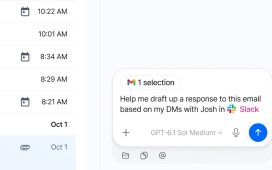
Meta is turning some of its most familiar apps into subscription businesses. Meta One brings together more than 50 paid features across Facebook, Instagram, WhatsApp and Meta AI, creating an ecosystem of optional upgrades for personal users, creators and companies. The free versions are not disappearing, but several customization tools, advanced publishing features and higher AI limits are now being placed behind monthly plans.
The structure is more complicated than a single all-access membership. Users can subscribe to one app individually, combine the three main apps through a Meta One bundle or select a considerably more expensive professional package. It is less like Netflix and more like a mobile phone plan: the essentials remain available, while additional capacity and increasingly specialized tools cost extra.
Meta One Is an Umbrella, Not One Plan
Meta One is the name covering several different subscriptions. The lowest-priced choices are Instagram Plus, Facebook Plus and WhatsApp Plus, each of which adds features to one application. Core and Premium combine all three Plus subscriptions while expanding access to Meta’s generative-AI tools. Separate Essential, Advanced, Expert and Max packages target creators and businesses.
Meta says the plans are rolling out globally, although prices, benefits and availability can vary by country, application and account. The company’s advertised US pricing begins at $2.99 per month for a single product, $7.99 for an individual bundle and $14.99 for a creator or business bundle.
The subscriptions do not automatically remove advertising, and Meta One should not be confused with the company’s separate ad-free arrangements in certain regions. It also does not mean every subscriber receives a verification badge. Verification and impersonation protection are attached to qualifying professional plans and remain subject to Meta’s verification process.
Instagram Plus
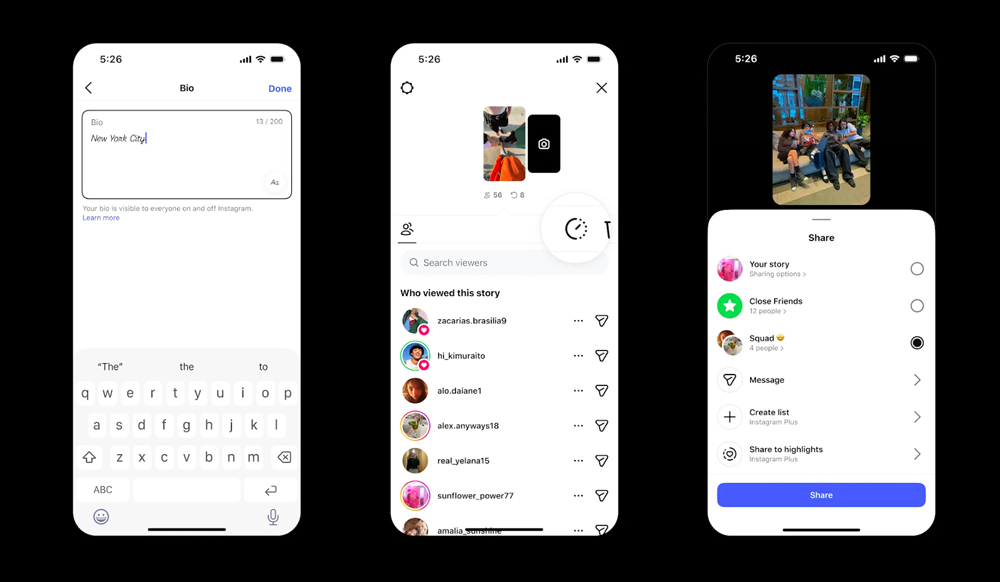
Instagram Plus costs $3.99 per month in the United States and focuses largely on expression, Stories and closer interactions with selected followers. Its features include custom fonts for direct messages and Stories, message previews and notifications when certain people view a Story.
The subscription can also provide additional Story controls, more pinned content and extended Story duration. Instagram is effectively charging its most active users for finer control over how their profiles look and how they monitor audience activity.
For casual users, these additions are conveniences rather than necessities. They become more useful for people who publish every day, closely track engagement or treat their Instagram profile as a public-facing brand.
WhatsApp Plus
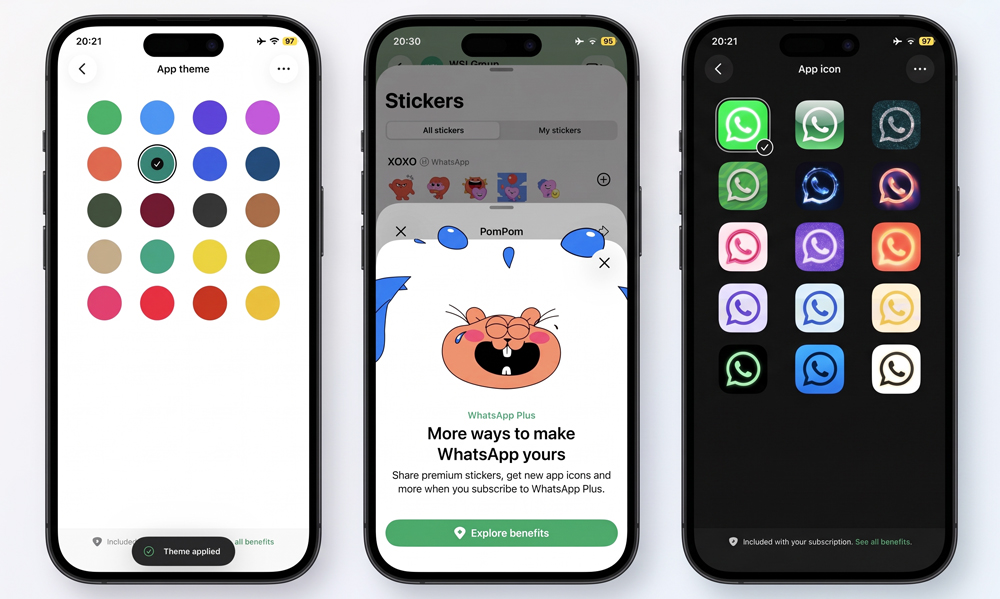
WhatsApp Plus is the least expensive individual option at $2.99 per month in the United States. It adds exclusive themes and icons, special-effect stickers and the ability to pin more chats. These upgrades are aimed at organization and personalization rather than changing the fundamental messaging experience.
Meta also plans to test chat and media backup storage through WhatsApp Plus, along with Focus Schedules that can automatically mute or hide conversations during selected periods. Those upcoming additions could give the plan more practical value, particularly for users managing large numbers of personal or professional conversations.
Standard WhatsApp messaging remains free. A subscription is not required to send messages, make calls or participate in group chats.
Facebook Plus
Facebook Plus costs $3.99 per month in the United States and includes cosmetic touches such as custom app icons and enhanced reactions. Meta is also expanding the plan with Messenger customization, additional Reels insights and super reactions across Reels and regular Feed posts.
Like Instagram Plus, Facebook Plus is designed for people who want greater control over presentation and engagement. The additional analytics may appeal to frequent publishers, but most everyday Facebook users are unlikely to consider the current benefits essential.
The strategy is clear: features that were once small app updates can now become recurring products. A colourful icon may seem minor, but multiply a modest monthly charge across millions of accounts and it becomes a very serious business.
Meta One Core
Core costs $7.99 per month in the United States and includes Instagram Plus, WhatsApp Plus and Facebook Plus. Purchasing those three plans separately would cost $10.97, making Core the more economical option for anyone who genuinely wants upgrades across all three applications.
The bundle also raises the usage limits for some of Meta’s more computationally demanding AI tools. Subscribers can generate and edit more images, create more AI video, use voice effects more frequently and apply Instagram’s AI-powered Restyle feature to additional Stories.
Core is therefore the first plan that feels like a broader ecosystem subscription instead of a collection of cosmetic app upgrades. It is aimed at users who regularly create social content and are already reaching the free limits of Meta AI.
Meta One Premium
Premium costs $19.99 per month in the United States. It includes everything in Core but provides the greatest individual-user capacity for creating content with Meta AI and using AI features throughout Meta’s applications.
Meta has not presented Premium as a fundamentally different collection of applications. Its main advantage is additional room to use the company’s most resource-intensive tools. That makes the plan highly dependent on personal usage: someone generating images and videos every day may appreciate the higher allowance, while an occasional user could struggle to justify paying more than twice the Core price.
The exact numerical limits can also vary between features and accounts. Anyone considering Premium should examine the offer shown inside their own app before subscribing instead of assuming it provides unlimited AI generation.
Creator and Business Plans
Meta One becomes much more ambitious—and much more expensive—when it moves into professional territory. Creator and business subscriptions begin with Essential at $14.99 per month, followed by Advanced at $49.99, Expert at $149 and Max at $499. These are starting prices, and the precise cost and feature set may differ by account and market.
Essential can include a verified badge, impersonation monitoring, a verified WhatsApp Business channel and greater access to Meta Business Agent, an AI system designed to answer customer enquiries. Professional accounts can also receive enhanced profile tools intended to display websites, business locations and customer feedback more prominently.
Advanced adds features such as scheduling Stories up to 30 days ahead, placing links in organic posts and Reels, exporting analytics and viewing deeper audience information. It can also allow colleagues to access an account without sharing its password, provide additional linked WhatsApp devices and include business-broadcast credits.
Expert and Max raise collaboration limits, feature allowances and Meta Business Agent capacity for organizations operating at a larger scale. These tiers are not simply premium versions of Facebook or Instagram. They are becoming integrated publishing, analytics, identity and customer-service platforms.
What Remains Free
Meta says the core experiences inside Facebook, Instagram, WhatsApp and Meta AI will remain free. People will still be able to post, message, browse content and use Meta AI for everyday requests without purchasing Meta One.
The company is instead charging for expanded AI use, customization, advanced publishing, analytics, account-management features and professional support. That distinction matters because Meta One is not currently a toll booth placed in front of basic communication. It is an optional layer built around the free services.
However, the launch establishes a framework through which more future capabilities can be classified as premium. Meta plans to add Edits Plus, including cloud project syncing and greater access to an upcoming creative assistant. It also intends to extend Meta One benefits to its AI glasses and other products over time.
Why Meta Is Doing This Now
Advertising will remain central to Meta’s business, but subscriptions provide another source of recurring revenue. They also give the company a way to charge directly for AI workloads, which require substantial computing infrastructure and become more expensive as people generate larger volumes of images and video.
Meta One also connects the company’s applications more tightly. A user who pays for tools across Instagram, WhatsApp and Facebook has a stronger reason to remain inside the ecosystem, especially if projects, analytics and AI features eventually move smoothly between apps, Edits and Meta’s wearable devices.
Meta says its earlier Plus plans and Meta One trials have already accumulated 15 million subscriptions and trials. That figure combines paying customers with people testing the services, so it should not be treated as a confirmed count of continuing paid subscribers. It does, however, indicate that Meta has tested the model at considerable scale.
Is Meta One Worth It?
For most personal users, the free services should still be sufficient. WhatsApp themes, custom app icons and additional Story controls are pleasant upgrades, but none fundamentally transforms the underlying applications.
Core offers the strongest value for someone who regularly uses all three platforms and wants more access to Meta’s creative AI. Premium makes sense only when those higher limits are being used consistently. Paying $19.99 every month for occasional AI experimentation would be the digital equivalent of buying a gym membership for the complimentary towels.
The professional plans have a clearer business case. Verification, impersonation protection, shared access, scheduling, exportable analytics and automated customer responses can replace several separate tools. Their value will depend on whether Meta delivers enough reliability and measurable benefit to justify the recurring cost—especially at the Expert and Max levels.
Final Byte
Meta One is not the end of free Facebook, Instagram or WhatsApp. It is the beginning of a more sharply divided Meta ecosystem in which basic participation remains free but customization, heavier AI use and serious business tools increasingly sit behind subscriptions.
The biggest change is not any single paid feature. It is Meta’s decision to treat its family of apps as one commercial platform, complete with consumer bundles, professional tiers and AI usage allowances. For everyday users, Meta One is optional. For creators and businesses whose audience already lives inside Meta’s apps, it could become difficult to ignore—and that is precisely the subscription habit Meta is hoping to build.