Apple Intelligence has already brought writing assistance, image creation, notification summaries and visual search to Apple devices. Yet those individual features have not fully answered the larger question surrounding the company’s artificial-intelligence strategy: can Apple turn AI into something people naturally use throughout the day?
Siri AI is designed to provide that answer. Previewed at WWDC 2026, the rebuilt assistant promises deeper conversations, awareness of personal information, an understanding of onscreen content and the ability to perform actions across apps. It is the most ambitious part of Apple Intelligence—and the feature that could determine whether Apple’s AI platform feels genuinely transformative or merely useful in fragments.
From Voice Commands to Personal Context
Traditional Siri works best when a request can be reduced to a clear command: start a timer, call someone, play a song or provide the weather. Siri AI is intended to operate with considerably more context.
Apple says the assistant will be able to search across messages, emails, photos and other personal content. A user could ask for a hotel confirmation buried in an older email, retrieve a restaurant recommendation mentioned in a conversation or locate photographs from a particular trip without remembering exactly where they were stored.
This is an important shift. Instead of requiring users to open the correct app and search manually, Siri becomes a conversational layer over their personal information. The value will come from reducing several small steps into a single request.
That convenience also raises the standard for accuracy. A general AI assistant can sometimes recover from a vague or incomplete response. A personal assistant searching through private information needs to identify the correct message, person, date or file consistently. Close enough will not always be good enough.
Onscreen Awareness Could Change Everyday Use
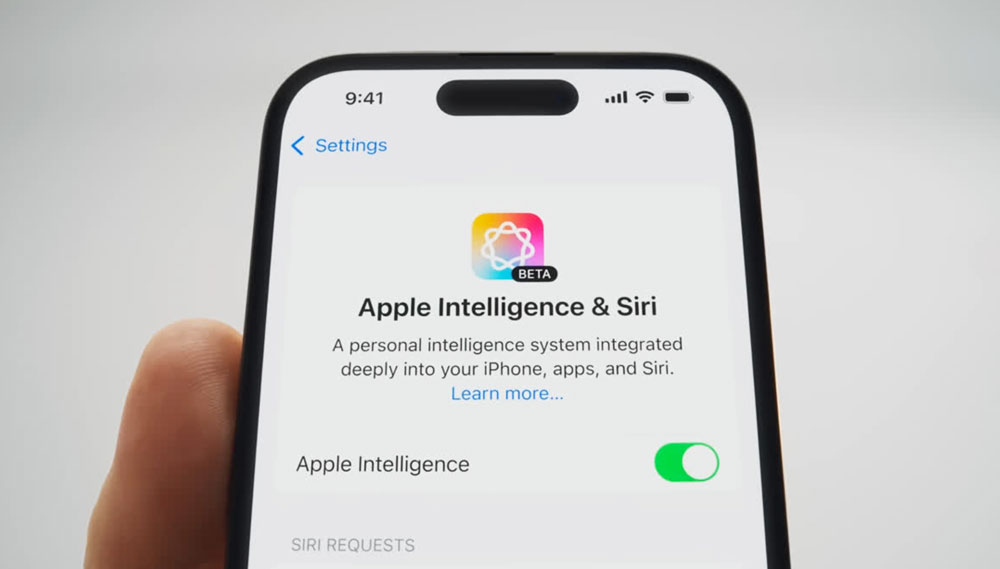
Siri AI will also be able to understand what is currently displayed on the screen. That means users should be able to ask questions about an email, photograph, webpage, document or conversation without first explaining its contents.
If someone receives a message about a dinner, for example, Siri could help suggest what to bring and then place a selected recipe into Notes. On Mac, the assistant will be accessible through Spotlight and systemwide context menus, allowing users to ask questions about selected text, files and images. On iPad, Visual Intelligence will be incorporated into the screenshot experience.
The iPhone Camera app is receiving a dedicated Siri mode as well. It will let users direct the camera toward an object, scene or plate of food and ask for relevant information or available actions.
These capabilities move Siri away from being a separate voice interface and closer to becoming an active part of the operating system. The assistant does not simply need to know what the user said; it must also understand what the user is viewing and what they are trying to accomplish.
Conversation Is Only the Beginning
Natural conversation is now an expected part of modern AI. Siri AI will support follow-up questions, broader web knowledge and longer exchanges, but conversational fluency alone will not be enough to distinguish it.
The more consequential feature is action. Apple says Siri will be able to draft emails, edit and share groups of photos and complete other tasks across supported apps. Writing Tools will also be available more widely, allowing users to generate, revise and proofread text from places where they already type.
In Mail and Messages, Siri is designed to adapt drafts to the way a user typically communicates with a particular recipient. A note to a friend could therefore sound different from an email to a manager.
If this works reliably, Siri AI could become more useful than a standalone chatbot because it will already be connected to the apps, files and services people use. The challenge is ensuring those actions remain predictable. An assistant that can modify content, send information or operate across apps needs to clearly show what it intends to do and give users control before anything consequential happens.
Apple’s Ecosystem Becomes Its Advantage
Apple does not need Siri AI to live inside one application. The assistant is being integrated across iPhone, iPad, Mac, Apple Watch, Apple Vision Pro, CarPlay and AirPods.
A dedicated Siri app will store conversational history and privately sync it through iCloud, allowing a discussion started on a Mac to continue on another supported device. On iPhone, users will be able to begin a more detailed conversation by swiping down from the Dynamic Island. Apple Watch will provide access from the wrist and may surface a Smart Stack suggestion for continuing a recent exchange.
This continuity could become one of Siri AI’s strongest qualities. Apple controls the hardware, operating systems and many of the applications involved, giving it opportunities to make the assistant feel less like an added service and more like a shared intelligence layer across its products.
Third-party support will be equally important. Apple has updated its App Intents framework so developers can connect their applications to Siri AI features such as app actions, personal context and onscreen awareness. The assistant’s usefulness will depend partly on how quickly developers adopt those tools and how consistently their integrations work.
Privacy Faces Its Hardest Technical Test
Personal context gives Siri AI much of its potential, but it also creates its greatest responsibility. Searching messages, emails, photos and files requires access to some of the most sensitive information stored on a device.
Apple says Siri AI will divide its processing between on-device models and Private Cloud Compute. When a request requires cloud processing, Apple says the relevant personal data will not be stored or made accessible to the company. The architecture also uses device-based systems such as the Spotlight index and App Toolbox for certain tasks.
This privacy model is central to Apple’s position in AI. The company is effectively arguing that an assistant can become more personal without requiring users to surrender unrestricted access to their digital lives.
The real test will be whether Apple can maintain that protection without making Siri noticeably slower, less capable or inconsistent. Users are unlikely to think about model architecture during an everyday request. They will simply notice whether the answer arrives quickly, whether it is correct and whether they feel comfortable granting the assistant deeper access.
The Rollout Will Be Gradual
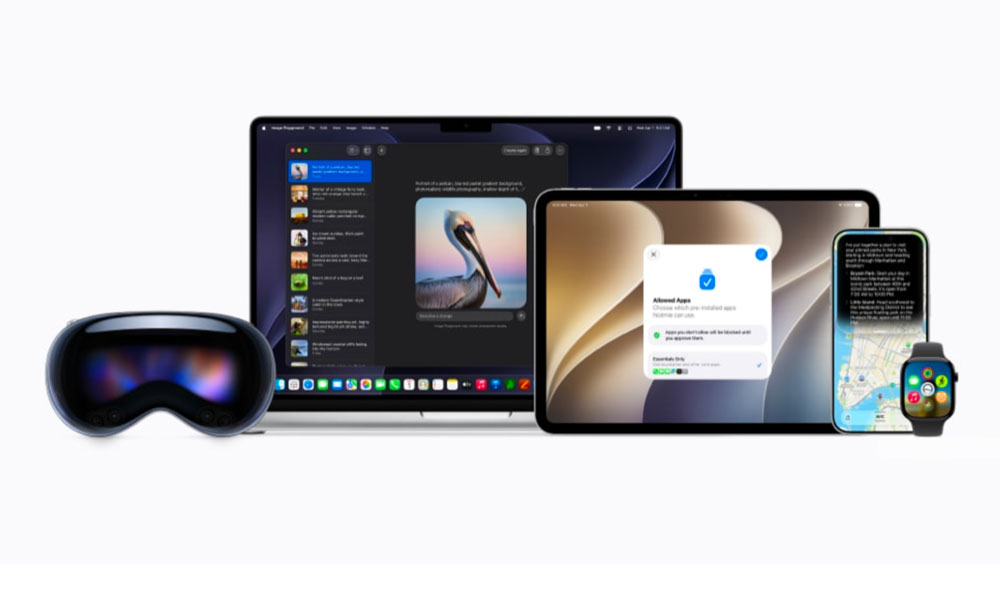
Siri AI is currently available for developer testing across iOS 27, iPadOS 27, macOS 27 and visionOS 27. Apple plans to offer it to users as a beta later in 2026, initially on supported devices configured in English. A watchOS 27 developer beta is expected separately.
Hardware compatibility will also limit the initial audience. Supported products include the iPhone 15 Pro and Pro Max, iPhone 16 models or later, recent Apple-silicon iPads and Macs, Apple Vision Pro and selected newer Apple Watch models paired with an eligible iPhone.
Regional availability presents another complication. Siri AI will not initially be offered on iPhone, iPad or Apple Watch in the European Union, although Apple plans to support it there on Mac and Apple Vision Pro. The new Apple Intelligence features are also unavailable in China while the company works through regulatory requirements.
Calling the first consumer release a beta gives Apple room to improve the system, but it also signals that the transition will take time. Siri AI must eventually work across more languages, devices, applications and regional regulations before it can become a truly universal part of the Apple ecosystem.
Apple Intelligence Finally Gets Its Centre
Until now, Apple Intelligence has felt like a collection of features spread across the operating system. Some can summarize information, others generate images, rewrite text or identify objects, but there has not always been a single interface connecting them.
Siri AI is supposed to become that interface. It gives Apple Intelligence a recognizable centre and provides users with a more natural way to access its capabilities. Instead of remembering which AI feature exists inside which application, users should be able to ask Siri and let the system determine the appropriate tool.
That is why the stakes extend beyond Siri itself. If the assistant proves accurate, responsive and dependable, Apple Intelligence could begin to feel like a coherent platform. If it struggles with context or requires frequent corrections, the surrounding AI features may continue to feel disconnected.
Final Byte
Siri AI represents Apple’s clearest attempt to turn artificial intelligence from a collection of visible features into an invisible part of everyday computing. Personal context, onscreen awareness and cross-app actions could make it considerably more useful than the Siri users know today.
The presentation is persuasive; now comes the difficult part. Siri AI must understand what users mean, find the right information and complete the right action without creating more work along the way. Apple Intelligence has made plenty of promises, but Siri AI is where those promises finally have to hold a conversation—and deliver.