For years, wearable technology followed a predictable path: larger displays, brighter colours, more apps and a growing stream of alerts competing for attention. Garmin CIRQA moves in the opposite direction. It removes the screen entirely and focuses on collecting health and fitness data quietly in the background.
That makes CIRQA less like a stripped-down smartwatch and more like a modern return to the original idea behind fitness bands. It tracks the body throughout the day and night, then leaves the interpretation to an app when the user is ready to look. At a time when many people are trying to reduce notifications without giving up useful health insights, that separation may be exactly what makes screen-free wearables relevant again.
A Fitness Tracker That Refuses to Be a Smartwatch
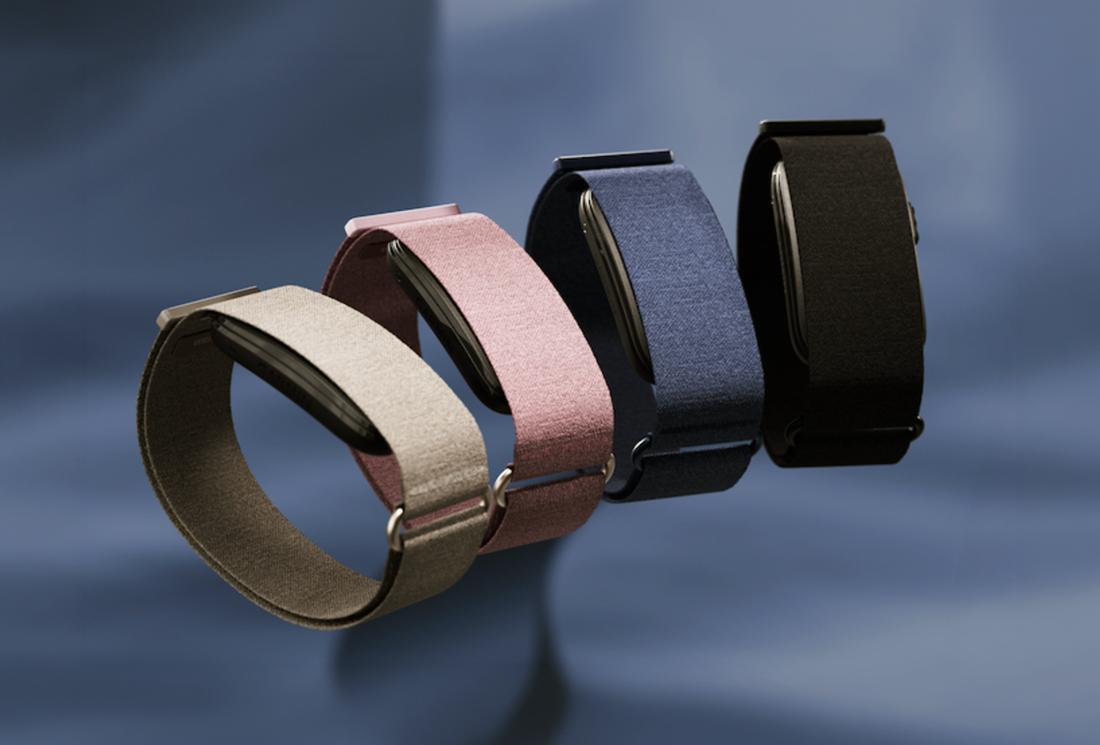
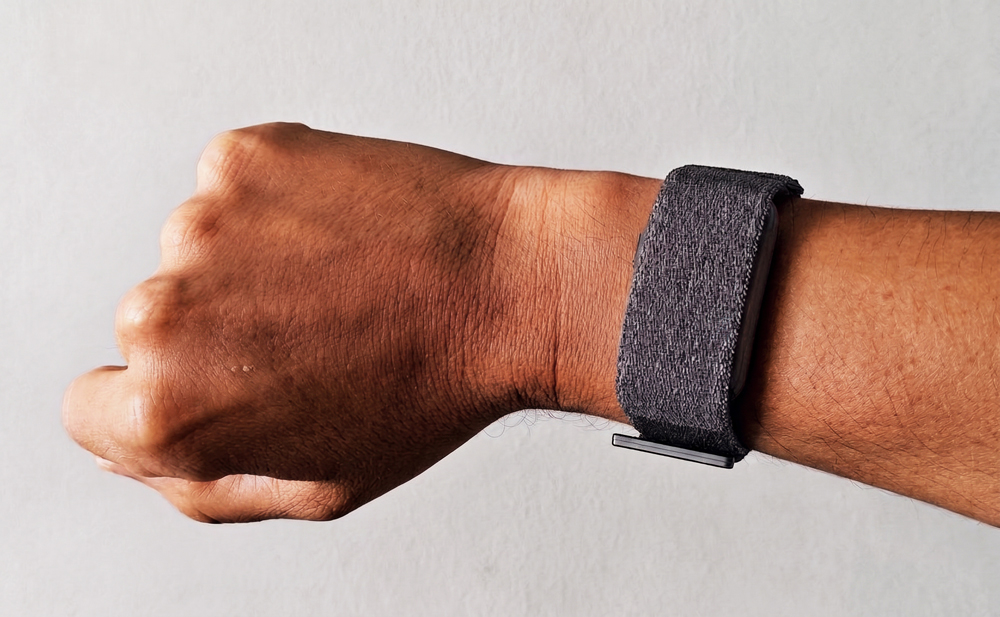
CIRQA is Garmin’s first screen-free smart band. There is no watch face, touchscreen or miniature app grid. The device uses a single side button, vibration feedback and a small status light for basic interactions, while detailed information appears in the Garmin Connect app. A favourite activity can be assigned to the button, allowing a run, walk or other workout to be started and stopped without first reaching for a phone.
The module sits inside a fabric ComfortFit band and can be worn on the wrist or upper arm. At roughly 21 grams with its wristband, depending on size, it is light enough for continuous use and considerably less visually dominant than most smartwatches. It is also rated to 5 ATM for water resistance and offers up to 10 days of battery life. Those specifications support the central idea: CIRQA is meant to stay on the body, including during workouts, sleep and everyday routines.
Health Tracking Without the Wrist Distraction
Removing the display does not turn CIRQA into a basic step counter. Garmin includes wrist-based heart-rate monitoring, Pulse Ox, skin-temperature data, stress tracking, respiration, calories, steps and its Body Battery energy estimate. Sleep tracking covers sleep stages, naps, heart-rate variability and a nightly sleep score, along with guidance on sleep needs. Women can also use overnight skin-temperature data to support better period predictions and estimates of past ovulation, although Garmin is clear that these wellness features are not medical or contraceptive tools.
For training, CIRQA supports more than 80 activity types and can automatically detect and classify a variety of workouts. Recorded activities can be reviewed and corrected in Garmin Connect, and Garmin says those confirmations help the band improve how it classifies future sessions. Training readiness, HRV status, VO2 max, training status, workout benefit and recovery time bring over many of the performance insights associated with Garmin’s sports watches.
The result is a wearable that gathers a substantial amount of information without repeatedly presenting it. Users still receive the data, but they choose when to engage with it. CIRQA is not asking for attention every time a message arrives or a metric changes. In a category known for turning movement into another source of screen time, that restraint is the product.
Garmin Connect Becomes the Interface
The trade-off is that Garmin Connect must do nearly all the visual work. Health trends, sleep scores, workout summaries and recovery information are viewed on a compatible iPhone or Android phone. Outdoor routes also depend on connected GPS rather than a receiver built into the band, so the phone must come along when accurate distance and mapping are required. LiveTrack location sharing similarly relies on the paired phone, its data connection and the Garmin Connect app.
This arrangement works best for people who want to review patterns after the fact. It is less suitable for runners and cyclists who need live pace, distance, maps or workout prompts directly on the wrist. CIRQA can record the session, but it cannot replace the immediate guidance of a dedicated Garmin running or outdoor watch. The screen-free design is therefore not an automatic improvement; it is a deliberate exchange of real-time visibility for lower distraction.
The Subscription Question Matters
CIRQA is priced at US$199.99 and CA$279.99, and Garmin does not require a subscription for its core health and fitness tracking. Garmin Connect+ remains available as an optional paid service, but the band’s essential monitoring, activity records and standard Garmin insights are not locked behind a mandatory monthly plan.
That distinction gives CIRQA an important position in the screen-free market. WHOOP helped establish the modern performance-band category, while smart rings and devices such as Fitbit Air have widened interest in discreet tracking. Some competing platforms rely on subscriptions or reserve portions of their analysis and coaching for paid plans. Garmin can instead sell CIRQA as a conventional piece of hardware that connects to an already mature fitness platform.
For existing Garmin users, the appeal may be even stronger. CIRQA is designed to complement the company’s watches and wellness devices, making it possible to wear a full smartwatch for training or outdoor use and switch to the lighter band during sleep, formal occasions or quieter parts of the day. It is not necessarily a replacement for a Garmin watch; it can be the less conspicuous half of a broader Garmin setup.
Why Screen-Free Wearables Are Returning
The screen-free tracker is making a comeback because the wearable market has started separating measurement from interaction. A smartwatch tries to be both a sensor and a tiny computer. A band such as CIRQA is mainly a sensor, while the phone handles analysis, coaching and presentation. That narrower role can make the device easier to wear continuously and less likely to become another notification centre.
There is also an important difference between people who want live information and those who want long-term patterns. The first group benefits from a display during a workout. The second may care more about resting heart rate, sleep consistency, stress, recovery and activity trends across weeks or months. Those insights depend on regular wear and consistent data collection—not on how often someone checks a watch face.
CIRQA also fits more naturally alongside a traditional watch. Users no longer have to choose between wearing a mechanical or fashion watch and collecting fitness data. A subtle band on the other wrist or upper arm can track the day without trying to become the centrepiece. It is a small design decision with surprisingly broad appeal.
What CIRQA Still Gives Up
Minimalism creates real limitations. There is no on-device dashboard, live map, detailed workout screen or instant glance at sleep and recovery scores. Most settings and insights require the phone, and connected GPS prevents CIRQA from becoming a fully independent running tracker. The fabric band may feel more comfortable for sleep than a substantial sports watch, but it also requires regular cleaning and proper drying after workouts.
The price will also invite comparison. CIRQA costs less over time than a wearable tied to a mandatory annual membership, but it is not an inexpensive entry-level tracker. Buyers are paying for Garmin’s deeper training metrics, established app ecosystem and the absence of a required subscription—not for a large amount of visible hardware.
Who CIRQA Is For
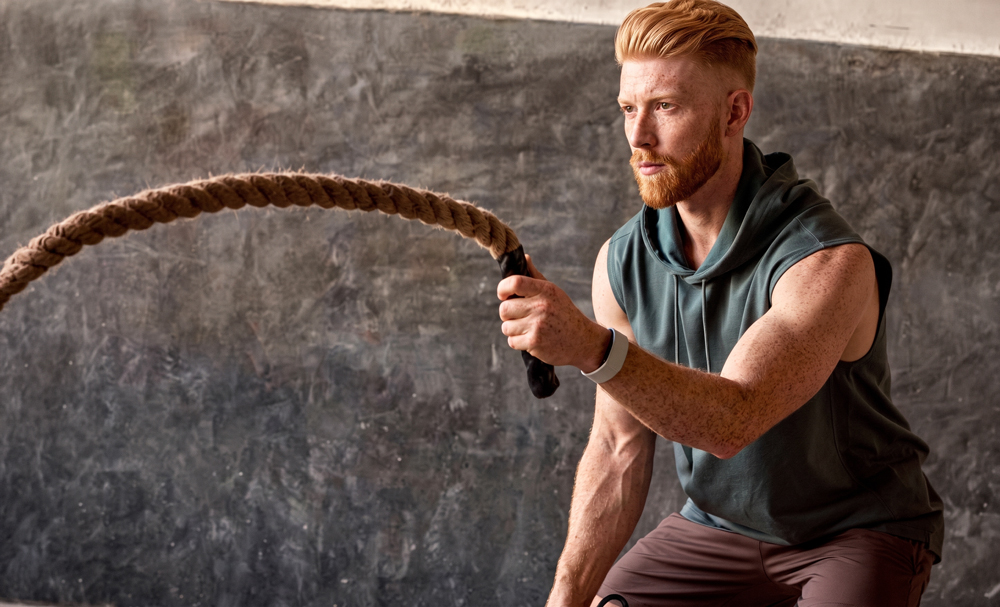
CIRQA makes the most sense for people who want continuous health and recovery tracking without another screen on the body. It should appeal to users who wear traditional watches, people who dislike notifications, Garmin owners seeking a lighter sleep tracker and athletes who want background data outside their main training sessions. It is also a practical option for anyone who wants to buy a tracker once and use its principal features without committing to another recurring payment.
It is less convincing for someone who expects a wearable to replace a phone during a run, display navigation, show live training fields or deliver the broader conveniences of a smartwatch. Garmin already has watches for those jobs. CIRQA succeeds by choosing a smaller assignment and sticking to it.
Final Byte
Garmin CIRQA is not evidence that screens are disappearing from wearables. It shows that the market is becoming more specific about when a screen is useful. By combining substantial Garmin health and training tools with a quiet design, long battery life and no mandatory subscription, CIRQA gives users the benefits of continuous tracking without turning the wrist into another place to scroll. The screen-free fitness tracker is returning because, sometimes, the smartest display is the one that is not there.