IFA 2026 once again transformed Berlin into a sprawling preview of where consumer technology is heading next. The exhibition, held from September 4 to 8, brought together everything from repairable laptops and wearable AI to unusually athletic robot vacuums. Artificial intelligence was everywhere, but the most convincing products used it quietly—improving navigation, personal mobility, energy management or everyday productivity instead of simply adding another chatbot to a screen.
The show also reflected a broader shift across the technology industry. Companies are thinking beyond annual hardware upgrades and focusing more heavily on products that can adapt, learn and remain useful for longer. Some of the devices shown in Berlin are already heading to stores, while others remain concepts or early previews. These were the technologies that made the strongest impression.
Acer Vero 16 Makes Repairability Part of the Design
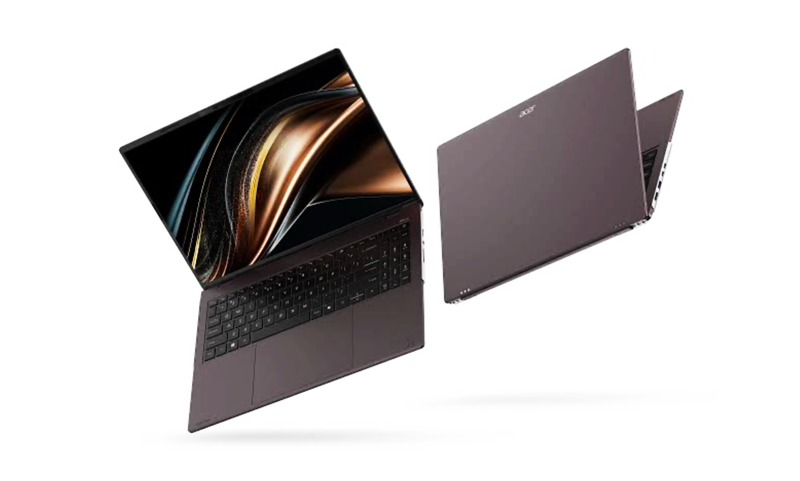
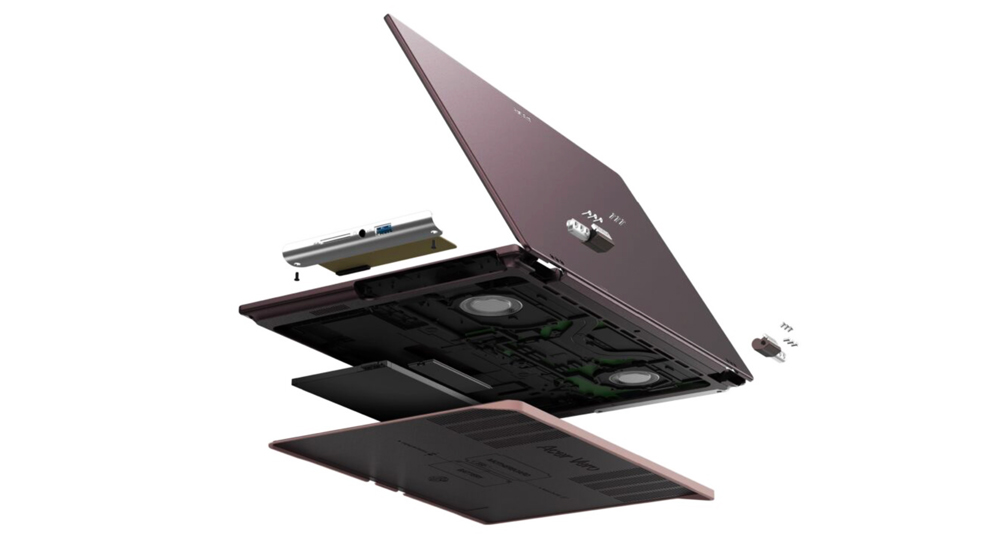
The Acer Vero 16 stood out in a laptop market that still makes basic repairs unnecessarily difficult. Instead of sealing every component beneath layers of adhesive and proprietary screws, Acer designed the laptop with a tool-free access system that makes its battery and storage easier to replace.
The laptop features a 16-inch 3K OLED display and configurations using Intel Core Ultra Series 3 processors. Acer also says the internal design will support processor upgrades across two additional Intel generations, potentially giving owners a much longer path before the entire computer needs replacing.
Sustainability is also built into the chassis, which uses a mixture of post-consumer recycled material and bio-based material derived partly from oyster shells. The more important achievement, however, is that Acer has connected environmental design with longevity. A laptop that can be repaired, upgraded and kept in service is usually more meaningful than one carrying a green label but destined for early retirement.
DJI ROMO 2 Steps Over the Competition
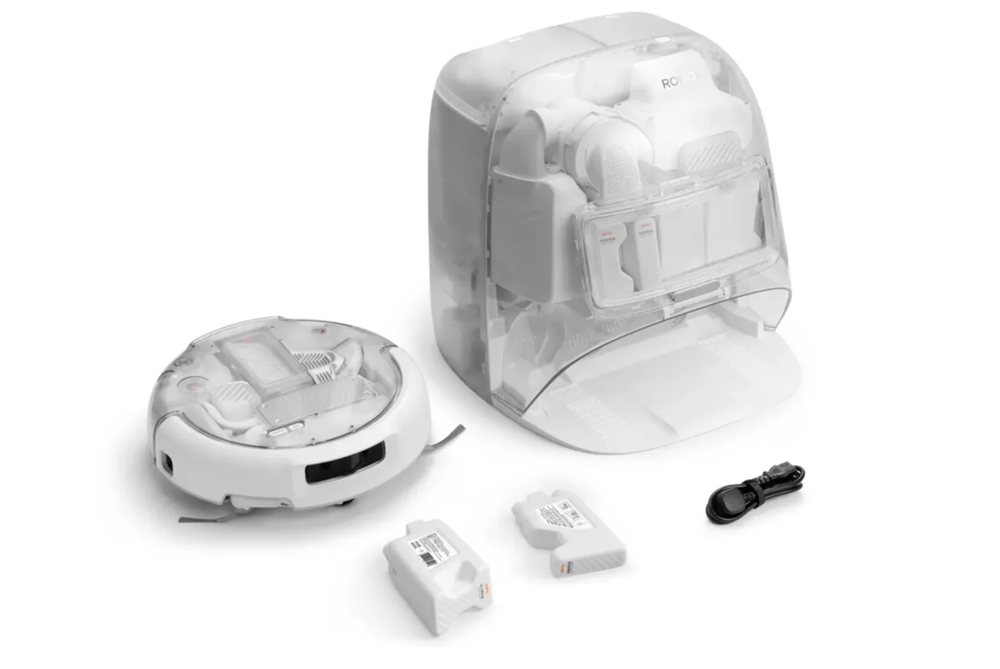
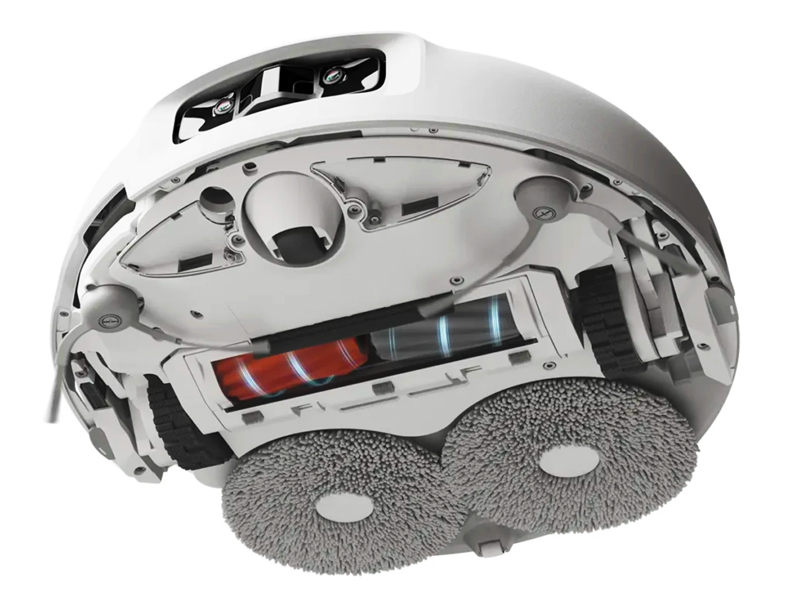
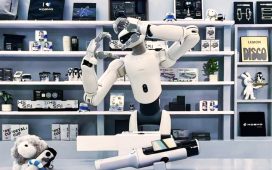
Robot vacuums have become better at recognizing cables, furniture and pets, but physical obstacles remain one of their biggest weaknesses. DJI’s ROMO 2 Series attacks that problem with mechanical legs that allow the vacuum to step over raised surfaces.
The machines can cross individual obstacles measuring up to four centimetres and navigate certain double-step thresholds reaching 8.5 centimetres. That could make a major difference in homes with thick rugs, sliding-door tracks or uneven transitions between rooms.
DJI has also equipped the vacuum with a LiDAR-guided robotic arm that extends the mop toward edges and corners. Structured-light sensing and dual fisheye cameras provide three-dimensional perception, helping the system distinguish between debris, liquids, cables and transparent obstacles. It is an ambitious use of technology originally refined for drones, now redirected toward the less glamorous—but considerably more common—problem of cleaning the floor.
XGIMI Aura 3 Max Brings Serious Performance to Laser Projection
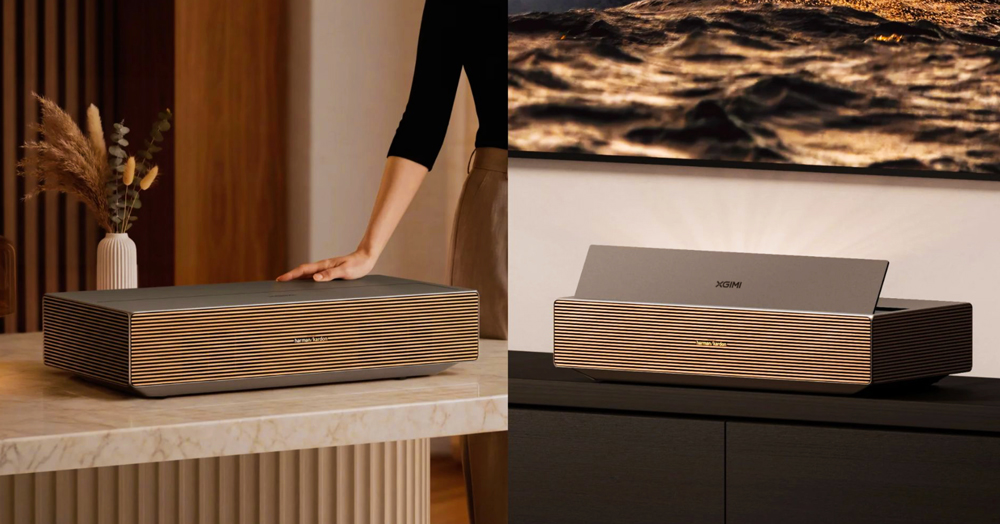
The XGIMI Aura 3 Max was one of the show’s most impressive home-entertainment products. This ultra-short-throw projector can create an enormous picture while sitting only a short distance from the wall, making it a possible alternative to an oversized television.
It delivers 4K resolution at up to 120Hz, along with a claimed 5,700 ISO lumens of brightness and an 8,000:1 contrast ratio. Its RGB triple-laser system is designed to produce vivid colours, while the high refresh rate gives the projector greater appeal for gaming and fast-moving sports.
The Aura 3 Max can project an image reaching approximately 200 inches under the right conditions. Those headline figures will still depend on room lighting, placement and screen quality, but the hardware shows how quickly premium projection is improving. The line between a television and a home cinema is getting wonderfully blurry.
DJI Osmo 360 II Makes Action Cameras Easier to Live With
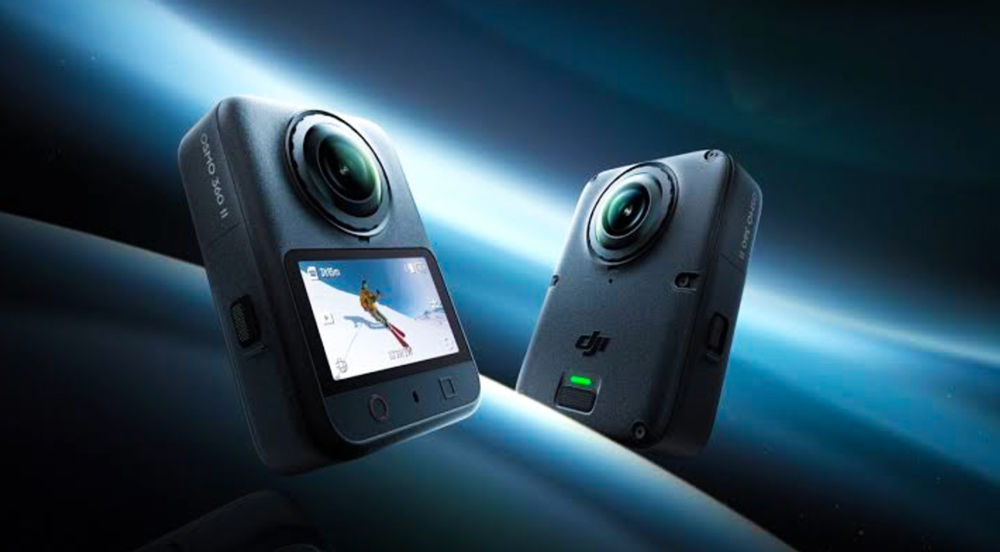
DJI used IFA to introduce the Osmo 360 II, an updated 360-degree action camera capable of recording high-resolution immersive footage. Its headline feature is 8K 360-degree video, but its replaceable lens system may be the more practical improvement.
The exposed lenses on a 360-degree camera are particularly vulnerable to scratches and impacts. Allowing users to replace a damaged lens can prevent a minor accident from turning into an expensive repair or complete camera replacement.
DJI also included a four-microphone array, wind-noise reduction and compatibility with its wireless microphone ecosystem. The camera’s magnetic quick-release design works from either side, giving creators more freedom when switching between mounts. It is a polished update built around problems that action-camera users encounter in the real world—not just around making the resolution number bigger.
RayNeo GT Max Pushes AR Glasses Toward a Virtual Cinema
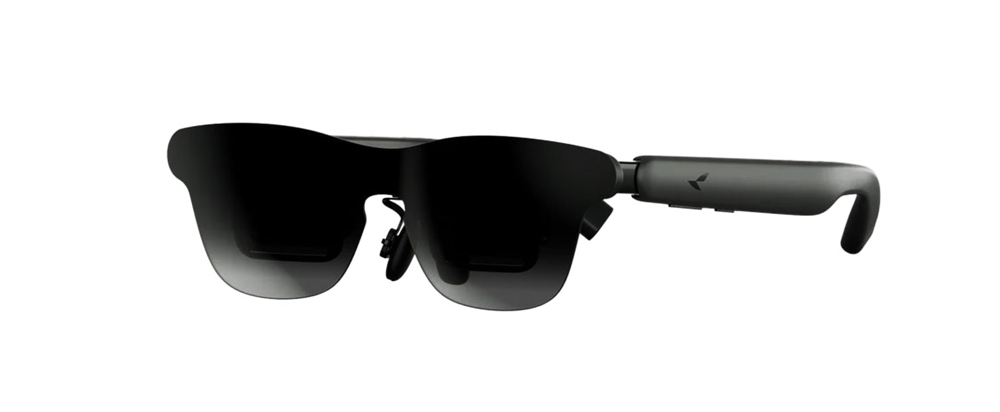
Smart glasses have spent years hovering between impressive demonstration and genuinely useful product. RayNeo’s GT Max offered one of the more convincing entertainment-focused approaches at IFA 2026.
The glasses support Dolby Vision playback and provide up to 1,200 nits of perceived brightness, a 120Hz refresh rate and real-time conversion of standard dynamic-range content into HDR. Their optical system delivers a 59-degree field of view while being thinner and lighter than previous-generation designs.
Rather than attempting to replace a smartphone completely, the GT Max focuses on creating a portable private display. Movies, games and streamed content can appear on a large virtual screen without requiring a television or projector. Pricing, battery demands, comfort and content compatibility will ultimately determine whether the experience works beyond a short demonstration, but the hardware suggests that AR glasses are becoming more focused—and therefore more useful.
Soundcore Sleep Earbuds 4 Pro Turn the Charging Case Into a Sleep Hub
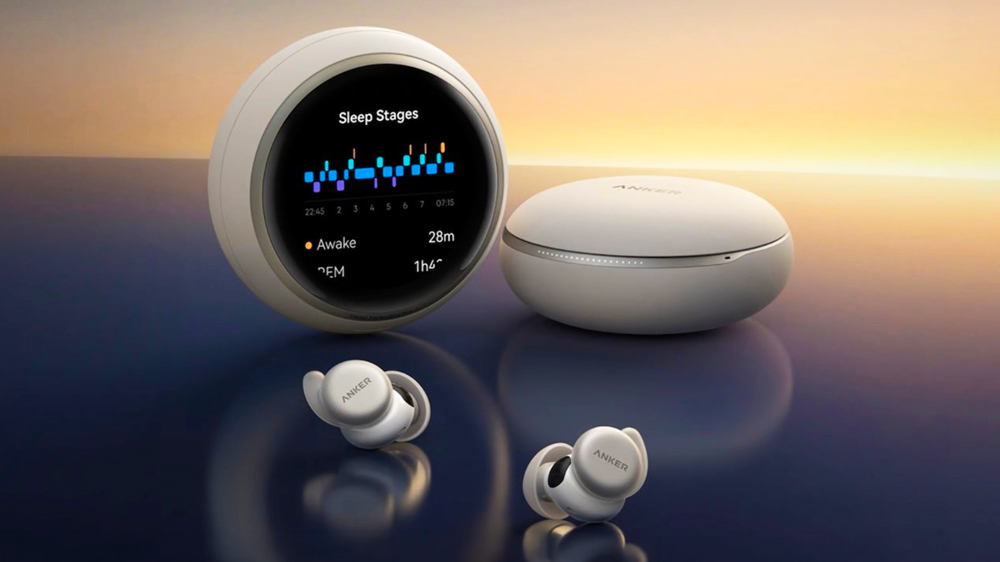
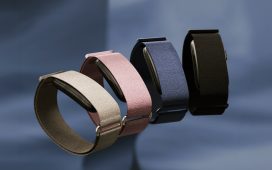
Soundcore’s Sleep Earbuds 4 Pro were among the more practical wearables presented in Berlin. Designed specifically for overnight use, the earbuds combine passive sound isolation with active noise cancellation and adaptive masking for sounds such as snoring.
In-ear optical sensors monitor heart rate, while the charging case doubles as a phone-free SleepHub that presents sleep information without requiring users to reach for a smartphone. The system can also listen for snoring in the surrounding environment and adjust masking audio accordingly.
Soundcore has made the earbuds thinner to improve comfort for side sleepers, an essential consideration for a product expected to remain in the ear for several hours. The company’s BioSync system can also adjust audio based on detected relaxation patterns. Sleep technology often produces mountains of data without improving sleep itself; these earbuds are more interesting because they attempt to respond in real time.
UGREEN HomeAgent Brings AI Home Without Sending Everything to the Cloud
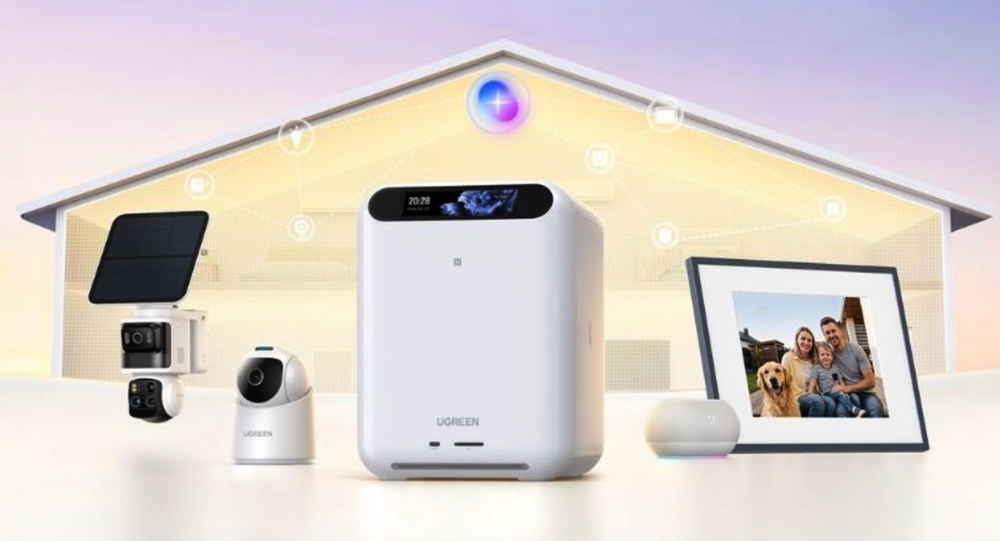
UGREEN moved well beyond chargers and cables at IFA 2026 with HomeAgent, a local intelligence platform designed to connect smart-home control, security, file storage and automation.
The system can manage UGREEN devices alongside compatible third-party Matter products. Its natural-language interface is intended to let users search stored files, control connected devices and create home automations through conversational commands.
The most important part of the concept is its local-first architecture. Processing information inside the home could provide faster responses and reduce the amount of personal data travelling to external servers. UGREEN plans several configurations, ranging from the HomeAgent HA100 and HA100 Pro to the more powerful MasterAgent MA100, which uses Nvidia’s Jetson Thor platform.
HomeAgent is still an emerging ecosystem, and its success will depend heavily on software reliability and third-party compatibility. Even so, it represents a promising model for domestic AI: one that lives alongside personal data without automatically shipping all of it elsewhere.
Plaud One Turns AI Earbuds Into a Work Assistant
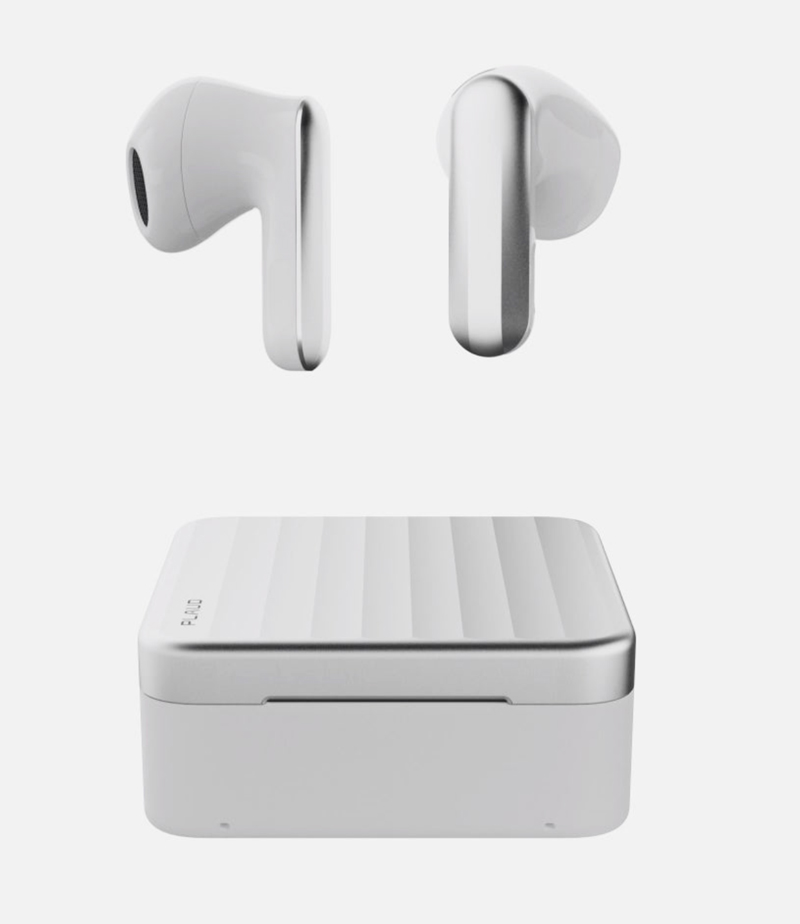
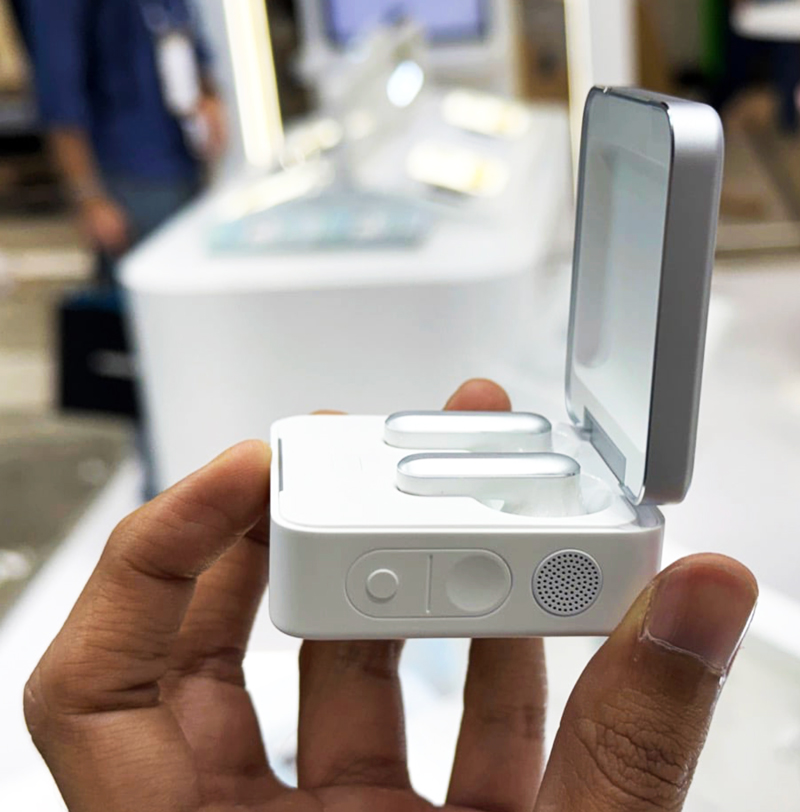
Plaud One looks like a pair of wireless earbuds, but its real purpose is to act as a voice-controlled productivity assistant. The system can capture conversations, generate transcripts, summarize discussions and identify follow-up tasks.
Unlike basic transcription tools that treat every recording as an isolated file, Plaud’s software is designed to retain context across meetings. That could allow decisions from one conversation to inform summaries or action items created after another.
The Plaud Agent can also connect with workplace services such as Gmail, Google Calendar, Notion and Slack to help turn spoken instructions into actions. That introduces obvious questions surrounding consent, data security and workplace recording policies, but it also shows where wearable AI may be heading. The next generation of earbuds may not simply play audio—they may become the interface through which people organize their working day.
Hypershell X Ultra S Makes Consumer Exoskeletons Feel Real
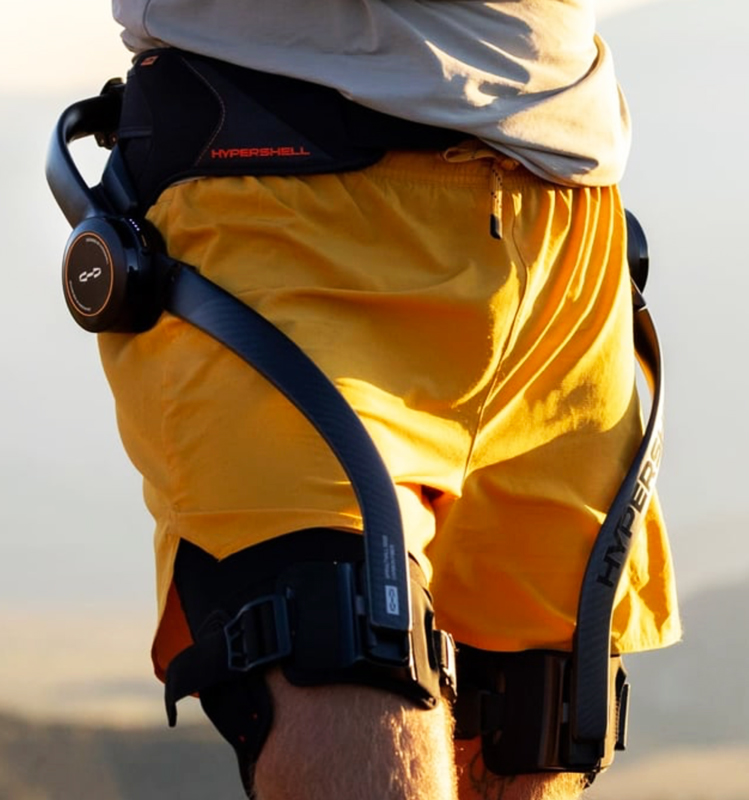
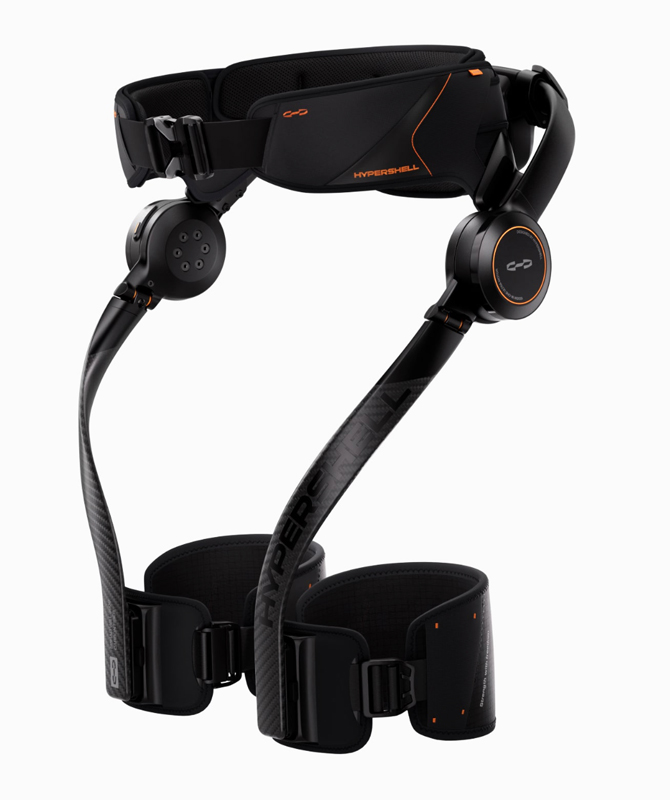
The Hypershell X Ultra S demonstrated how quickly powered exoskeletons are moving out of industrial environments and into the consumer market. Weighing less than two kilograms, the wearable system uses sensors and an AI-controlled motor to respond to the user’s stride.
It offers multiple activity modes for walking, running and cycling, along with a gentler assistance mode intended for shorter or less stable strides. The system can also add resistance for exercise rather than assistance, turning the same hardware into a training device.
The X Ultra S is designed for outdoor recreation rather than medical treatment, and it should not be confused with a certified clinical mobility aid. Still, bringing adaptive movement assistance below the traditional five- or six-figure price of industrial exoskeletons is significant. It could eventually expand access to hiking, travel and other physically demanding activities for a much wider group of people.
Final Byte
IFA 2026 was less about one revolutionary gadget and more about technology escaping its familiar containers. AI moved into earbuds, home hubs and mobility equipment. Drone navigation helped a vacuum cross a doorway. Laptop sustainability became a question of repairability rather than marketing language. Even the charging case learned a few new tricks.
The strongest products were not necessarily the flashiest. They were the ones that solved recognisable problems while making advanced technology feel less intrusive. Some will need to prove themselves through pricing, durability and real-world performance, but the direction is clear: the next phase of consumer technology will be defined by devices that understand their surroundings, adapt to their owners and stay useful long after the first unboxing.