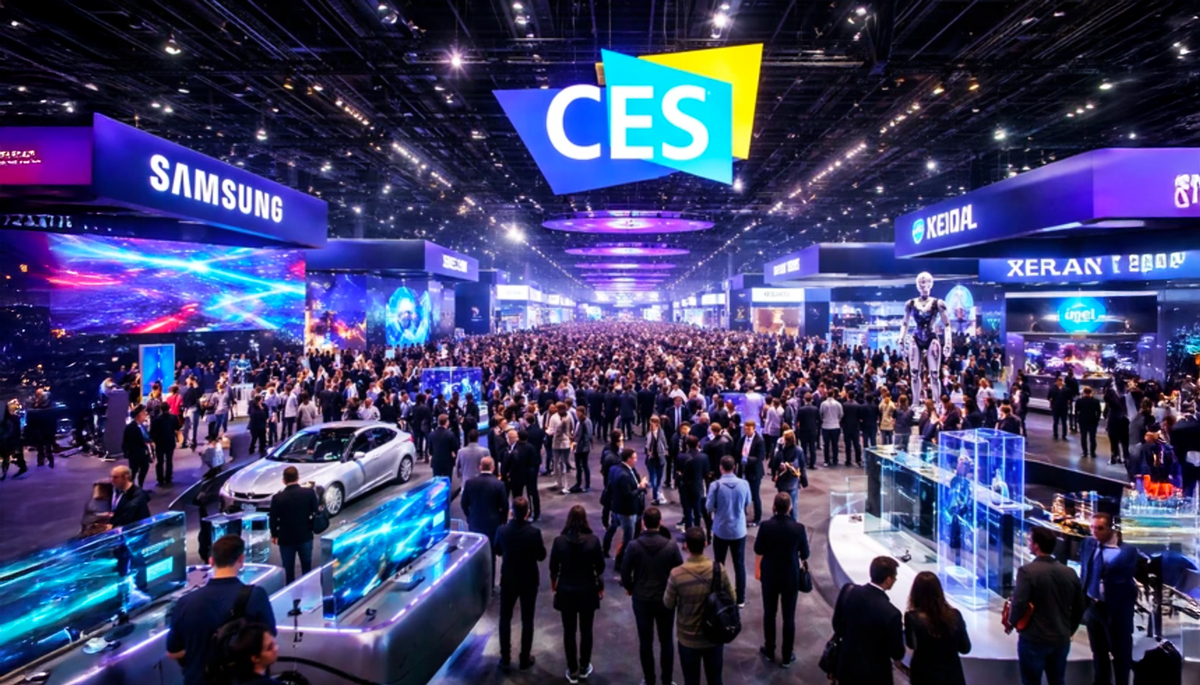

CES 2026 made one thing very clear: this is the year technology stops showing off and starts showing up. Instead of flashy concepts that vanish after January, the focus across the show floor leaned toward products and platforms designed to ship, scale, and quietly improve everyday life. From AI that works directly on devices to smarter health tools and more useful home tech, the themes this year were practical, mature, and refreshingly grounded.
AI — From Features to Foundations
AI is now deeply embedded in new products, moving from a marketing term to an operational layer across devices.
Trends include:
- On-device and hybrid AI processing for speed and privacy
- Context-aware AI that adapts to usage patterns
- AI that enhances cameras, audio, and workflows
Instead of relying entirely on cloud services, more products now handle AI tasks locally, reducing lag and improving reliability — especially important for laptops, phones, wearables, and in-car systems.
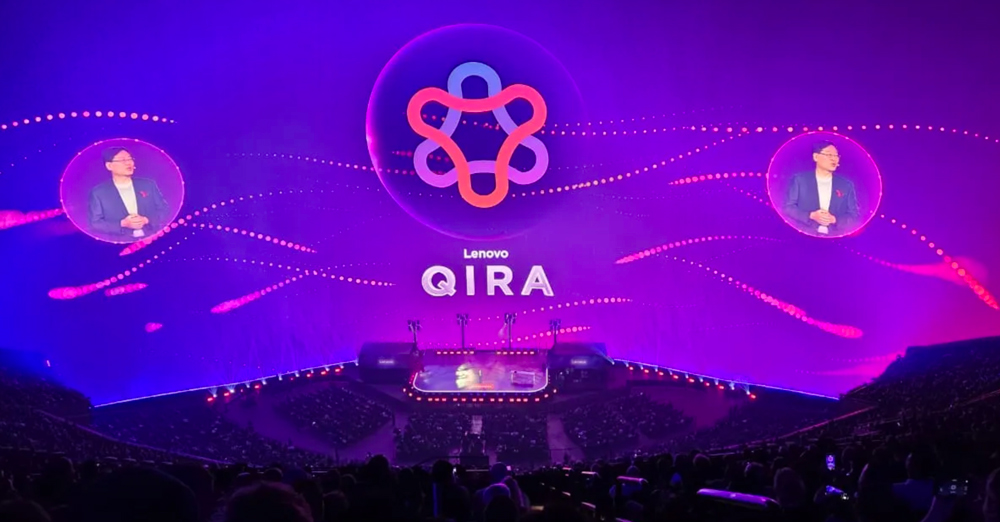
Example Product: Lenovo Qira AI Assistant — Qira is Lenovo’s cross-device AI voice and text assistant designed to run across PCs, tablets, smartphones and wearables, with hybrid cloud and on-device processing.
Gadgets & Gear — Smarter, Not Just Shinier
Hardware improvements leaned toward practical upgrades that reduce friction in daily use.
Notable trends included:
- Robot vacuums and home robots with better navigation, object recognition, and fewer “I ate your socks” moments
- Foldable and flexible displays becoming thinner, brighter, and more durable
- PCs branded as “AI PCs” with dedicated processors built specifically for machine-learning workloads
The takeaway: devices are becoming more capable in the background, while user interaction stays simple and familiar. Progress, but without a learning curve.
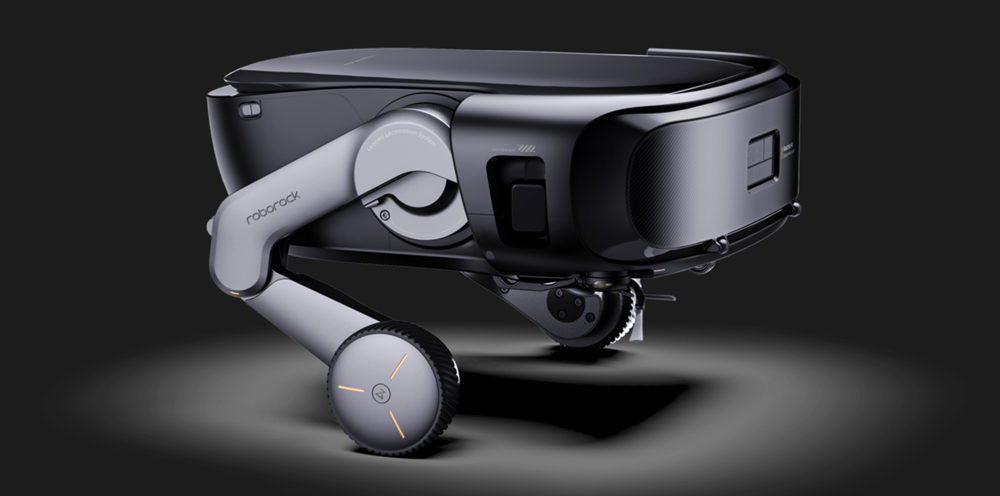
Example Product: Roborock Saros Rover — Roborock showcased a robot vacuum capable of climbing stairs using articulated legs, demonstrating a new level of robotic mobility for homes.
Health Tech — Moving Beyond Step Counts
Health technology at CES 2026 pushed past basic fitness tracking into more holistic wellness support.
Emerging focus areas included:
- Advanced biometric sensors tracking recovery, stress, and sleep quality
- Non-invasive health monitoring concepts aimed at early detection and long-term health trends
- AI-driven coaching tools that adapt to personal data rather than generic targets
This reflects a broader shift toward preventative health, where tech helps users understand patterns over time rather than chasing daily metrics.
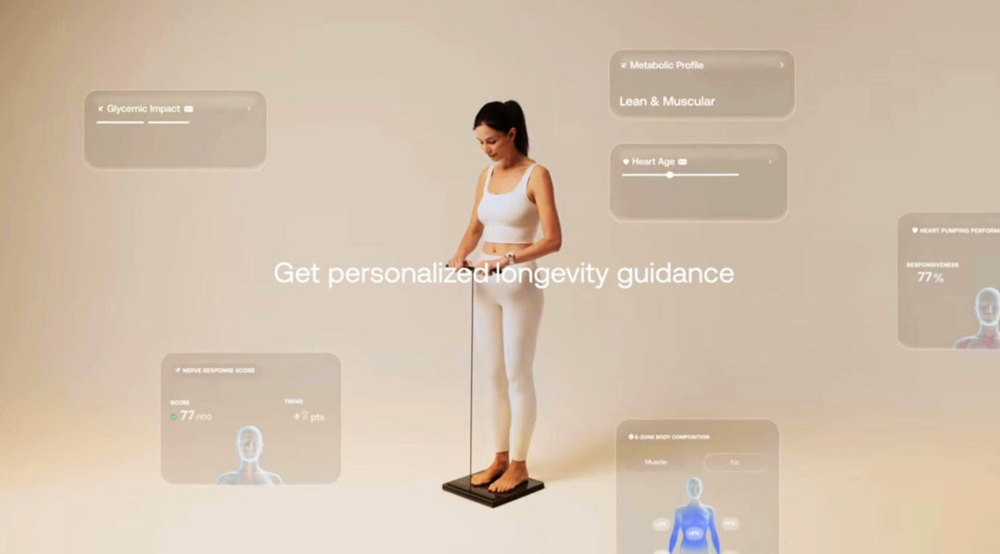
Example Product: Withings Body Scan 2 Smart Scale — Announced at CES 2026 with the ability to measure up to 60 biometric markers, including heart and nerve health, and paired with personalized recommendations.
Home Tech — Quietly Getting Very Smart
Smart homes are finally acting… well, smart.
Instead of requiring constant voice commands or app juggling, new systems emphasize:
- Automation based on behavior, not schedules
- Better device interoperability, reducing brand lock-in
- Energy optimization features that adjust lighting, heating, and appliance usage dynamically
The goal is less “look what my house can do” and more “my house already handled that.”
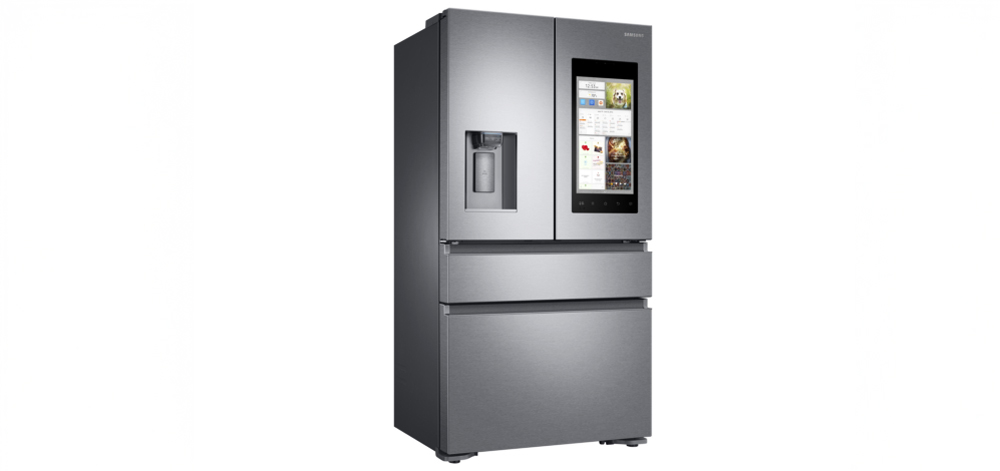
Example Product: Samsung Bespoke AI Refrigerator Family Hub — Showcased with AI Vision to recognize food items, manage inventory, suggest recipes, and support hands-free door opening.
Mobility & Automotive — Software Takes the Wheel
Vehicles at CES increasingly resemble rolling computers, and that trend accelerated again this year.
Key areas of focus:
- Driver-assist systems using improved vision and sensor fusion
- Vehicle software platforms that update continuously, similar to smartphones
- Energy management systems for EVs, including smarter charging and grid interaction concepts
While fully autonomous cars remain a long-term goal, short-term gains are clearly centered on safety, efficiency, and better in-car digital experiences.
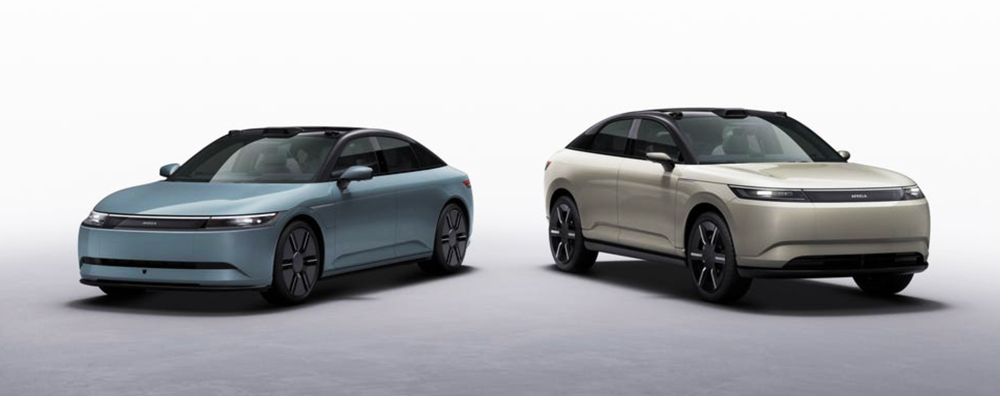
Example Product: Sony Honda Mobility Afeela 1 EV — Sony and Honda’s Afeela 1 electric vehicle showcased intelligent features including in-car AI experiences and advanced driver assist systems; it’s slated to begin deliveries in 2026.
Apps & Software — AI Everywhere, Invisibly
Software announcements leaned heavily into AI integration, but with far less hype language than in previous years.
Common themes included:
- Productivity tools using AI for summarization and organization, not content replacement
- Creative apps focusing on enhancement rather than generation
- Cross-device experiences, where work and media move seamlessly between phone, tablet, and laptop
In other words: fewer “wow” demos, more “this saves me time” improvements — which is exactly what most users actually want.
Example Product: Adobe AI Enhancements in Creative Cloud — Adobe highlighted new AI assistant features that organize assets, automate repetitive tasks, and improve creativity workflows.
News & Trends — A More Mature Tech Industry
Across CES 2026, companies emphasized reliability, ongoing software support, and purposeful AI rather than buzzwords. This signals a shift toward tech that improves everyday life rather than just dazzling on show floors.

Across major exhibitors, messaging emphasized:
- Reliability over novelty
- Long-term software support
- Sustainability through efficiency rather than gimmicks
The industry appears to be moving away from rapid-fire hardware cycles toward ecosystems built to last longer and update smarter.
Final Byt
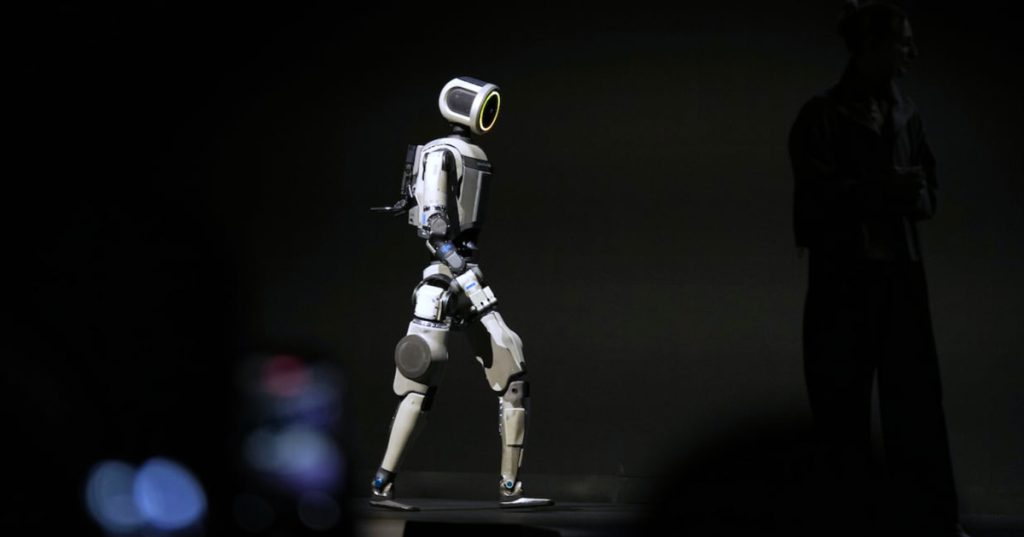
CES 2026 Las Vegas didn’t deliver a single headline-grabbing revolution — and that’s the point. Instead, it showcased an industry refining how technology fits into daily life: quieter AI, smarter hardware, and software that actually solves small, annoying problems. The future on display wasn’t flashy. It was functional. And honestly, that’s the best kind of upgrade.