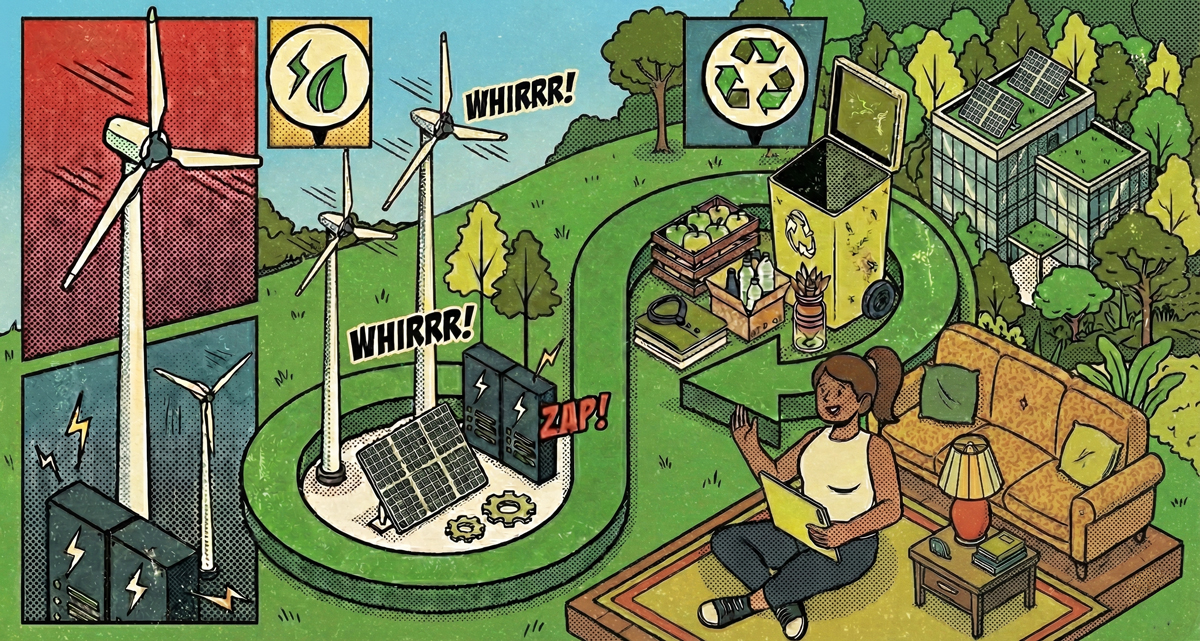

For more than a decade, tech lived by a simple mantra: grow fast, worry later. Bigger user numbers, faster expansion, and headline-grabbing valuations ruled the day. That era is quietly ending. In its place, a more measured philosophy is taking hold—one that favors sustainability over sheer scale, resilience over rapid burn, and long-term value over short-term hype.
This shift isn’t about tech slowing down. It’s about tech growing up.
Why the Growth-at-All-Costs Model Faded
Several forces converged to change the industry’s priorities. Rising interest rates made cheap capital disappear. Investors began asking uncomfortable questions about profitability instead of potential. At the same time, regulatory scrutiny increased, energy costs climbed, and public expectations around environmental and social responsibility grew louder.
Suddenly, growth without a clear path to durability looked less visionary and more reckless.
What “Sustainability” Really Means in Tech
Sustainability in today’s tech landscape goes far beyond carbon offsets and green branding. It shows up in three core ways:
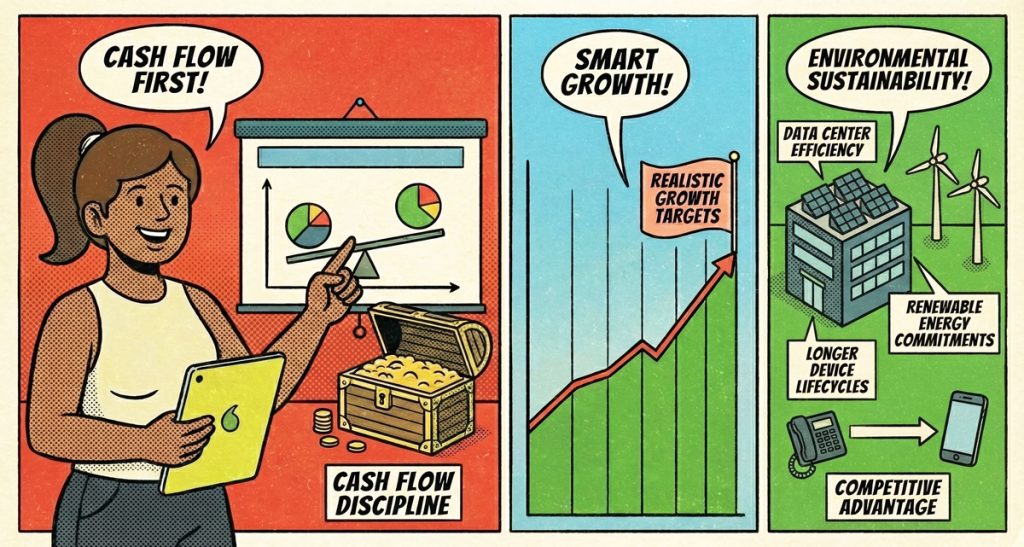
- Financial sustainability: Businesses are prioritizing cash flow discipline, realistic growth targets, and sustainable margins over endless user acquisition.
- Operational sustainability: Companies are streamlining cloud usage, optimizing infrastructure, and reducing redundant tools to cut waste and cost.
- Environmental sustainability: Data center efficiency, renewable energy commitments, and longer device lifecycles are becoming competitive advantages rather than optional extras.
The result is leaner organizations built to last, not just impress.
Product Design Is Getting Smarter, Not Bigger
Instead of racing to ship every possible feature, many tech firms are refocusing on usefulness, reliability, and longevity. Software updates are increasingly about efficiency, security, and refinement rather than flashy reinvention. Hardware cycles are stretching, with greater emphasis on repairability, recycled materials, and energy efficiency.
In short, the industry is trading excess for intention.
AI and Sustainability: An Unexpected Tension
AI sits at the center of this transition—and its biggest contradiction. On one hand, AI drives efficiency, automation, and smarter resource use across industries. On the other, training and running large models consumes significant energy and infrastructure.
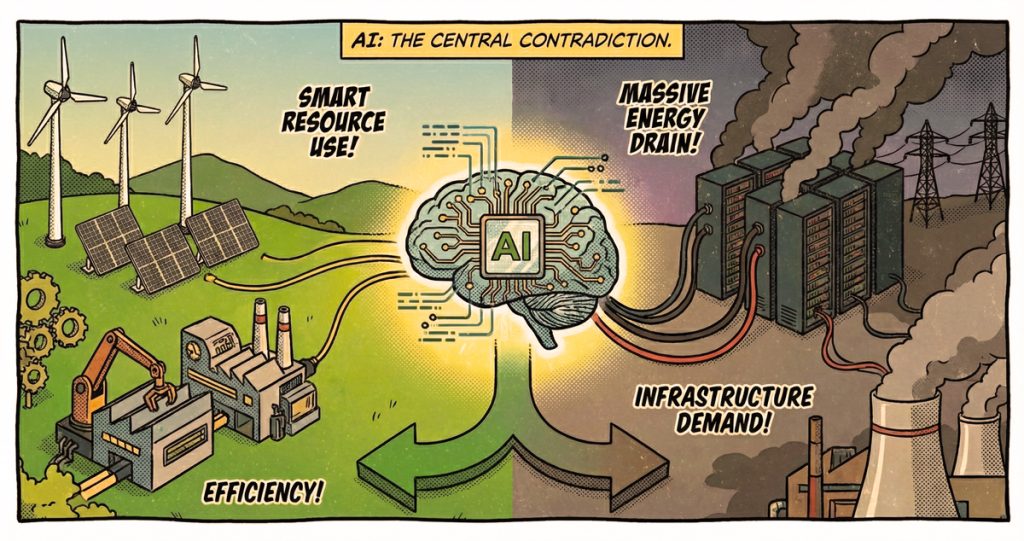
The response has been pragmatic rather than idealistic: more efficient models, better hardware optimization, and greater transparency around energy use. Sustainability doesn’t mean abandoning AI—it means making it smarter and more responsible.
What This Means for Consumers and Professionals
For users, this shift brings more stable platforms, fewer abandoned products, and tools designed to integrate into daily life rather than constantly disrupt it. For professionals, it signals a job market that values adaptability, systems thinking, and long-term impact over rapid scaling at any cost.
The industry isn’t becoming smaller. It’s becoming sturdier.
Final Byte
The tech industry’s move from explosive growth to sustainability isn’t a retreat—it’s a recalibration. The next era won’t be defined by who grows the fastest, but by who builds the most enduring, responsible, and efficient systems. Quietly, deliberately, tech is learning that longevity is the ultimate innovation.