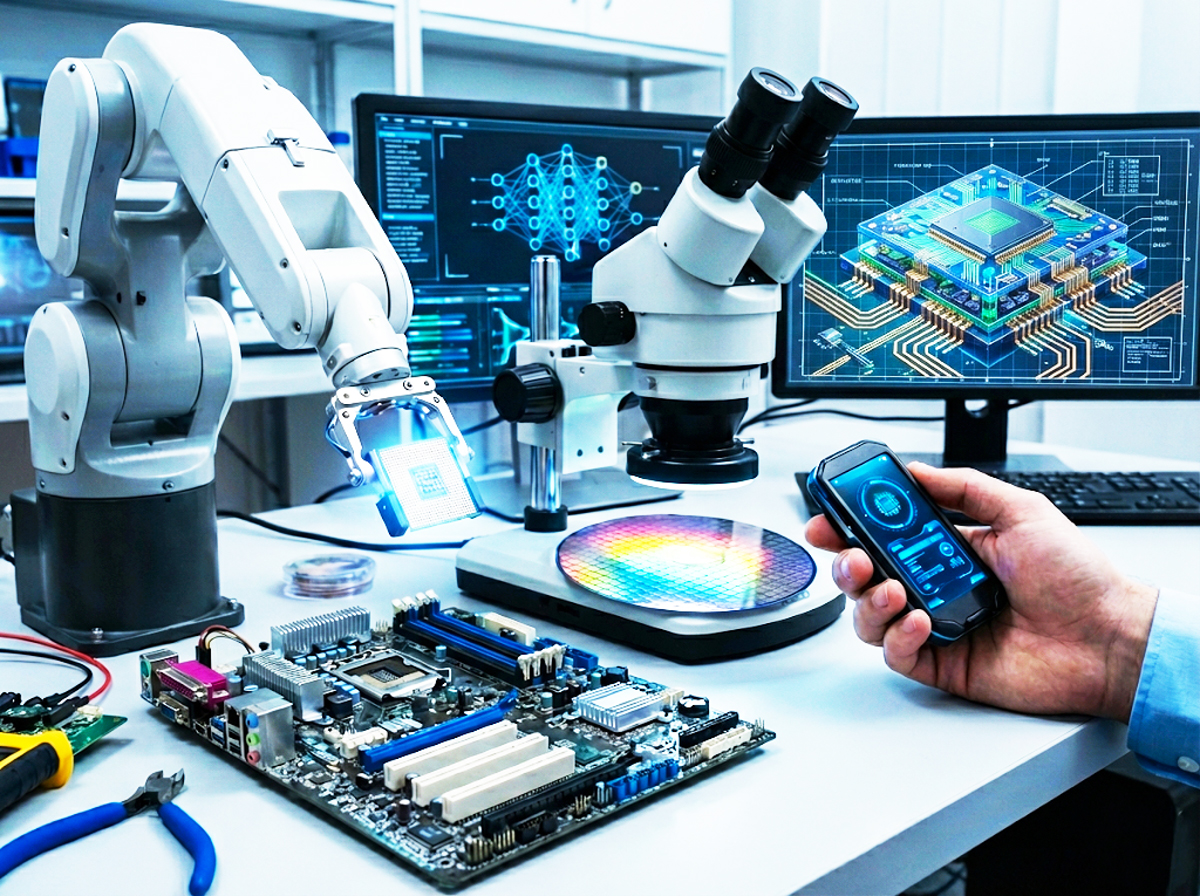

AI keeps stealing the spotlight, but the real story isn’t just smarter software — it’s the collision of intelligence, physical devices, and silicon engineering. The companies thriving in 2025 are the ones treating AI not as a product, but as an ingredient. And the next half decade will reward anyone who understands how chips, devices, and on-device intelligence all intersect.
AI Goes Local, Fast
Cloud AI is still huge, but two trends are reshaping everything:
- Inference is moving on-device. Phones, laptops, wearables, and even home appliances are running models locally.
- Privacy becomes a hardware problem, not just a software one. When the data never leaves the device, you don’t need massive server operations or constant connectivity.
The short version: AI isn’t going to be somewhere out there. It’s going to live inside whatever you’re holding.
Hardware Becomes a Platform Again
The years of “software eats the world” are officially over. Physical devices are suddenly exciting again.

Smartphone and laptop launches in late 2025 are defined by two questions:
- How much can it run locally?
- How efficiently can it run it?
Manufacturers aren’t just upgrading displays and cameras — they’re optimizing silicon pathways, neural accelerators, thermal management, and memory bandwidth. Performance now means AI speed, not frame rate or raw CPU strength.
The winners will be companies that deliver:
- Dedicated neural processing units
- Efficient on-device model storage
- Seamless handoff between local and cloud inference
Chips Are the Real Gatekeepers
Supply chain constraints were yesterday’s panic. Today’s reality is that every high-growth tech product depends on access to:
- Advanced node manufacturing
- High-bandwidth memory
- Specialized AI accelerators
No chip, no product. It really is that simple.
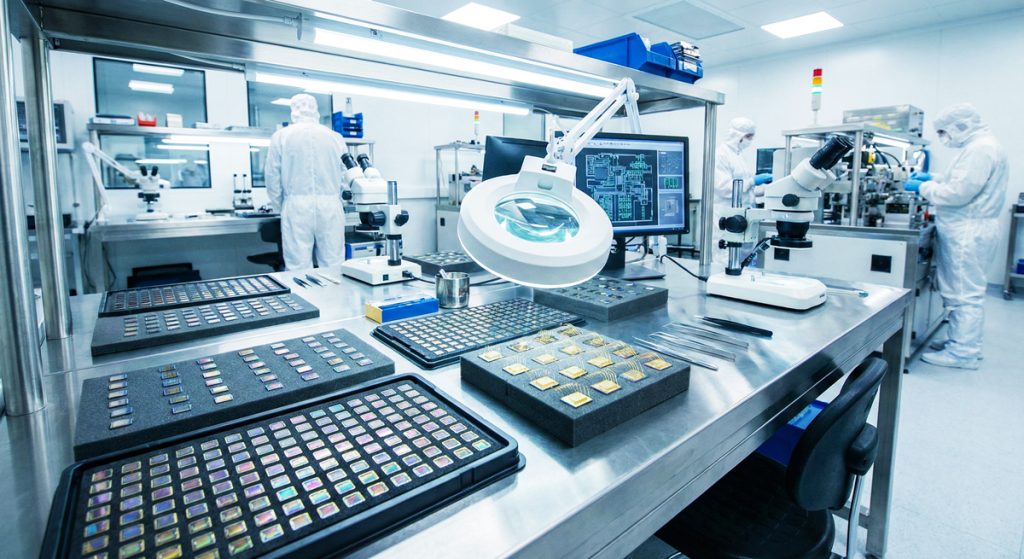
Major players — across North America, Europe, the Middle East, and Asia — are racing to secure:
- Fab capacity
- Long-term wafer agreements
- Government incentives
- Strategic IP partnerships
Countries aren’t just buying technology anymore. They’re buying control over fabrication.
The Next 5 Years: What Actually Changes
By 2030, if you buy a device that calls itself “smart,” three things will be true:
- It runs core AI functions locally. Including voice, images, and automation tasks.
- It prioritizes energy efficiency over raw processing power. Heat is the enemy.
- It ships with a hardware-level AI identity. Not just a feature, an architecture.
Expect huge growth in:
- AI PCs and hybrid laptops
- Automotive neural networks
- Camera-based sensors for security and retail
- Health wearables that process data without cloud dependency
- Smart home systems that actually get smarter over time
Behind all of this? Chips, chips, and more chips.
Why This Still Matters (Even If You’re Not an Engineer)
The next era of “tech literacy” won’t be about programming languages — it’s about understanding the capabilities and limits of on-device AI.
You’ll hear people talking about:
- Model size (how much intelligence you can store locally)
- Token prediction speed (how fast local AI can respond)
- Thermal throttling (how heat affects performance)
- Power envelopes (balancing performance with battery life)
If you know these concepts, you’ll understand 90% of device innovation through 2030.
What Companies Will Get Wrong
The danger in 2025 is pretending “AI” is a product category. It isn’t. Artificial intelligence is a layer that needs hardware to exist and silicon to run.
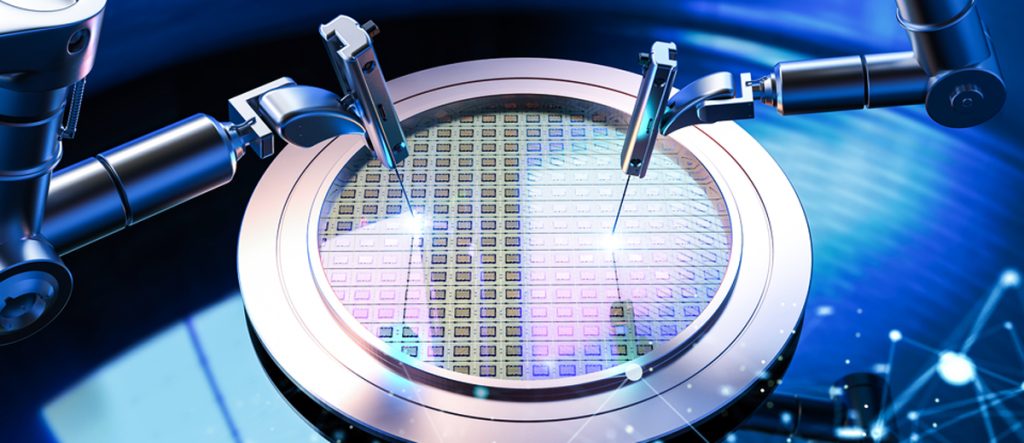
The companies most likely to struggle are those that:
- Treat AI like an app
- Rely fully on cloud processing
- Underinvest in custom chip development
- Ignore thermal design and energy efficiency
The ones that win will look more like semiconductor companies with software divisions, not the other way around.
Final Byte
2025 is proving that progress doesn’t happen in code alone — it happens where silicon, design, and intelligence intersect. The story for the next five years belongs to anyone who understands how AI interacts with device engineering and chip strategy. The industry is converging fast: the fastest models will live on-device, the smartest devices will depend on custom silicon, and the companies that build great hardware will define what AI can become.