
Cybersecurity used to feel like a never-ending arms race. This year, AI has grabbed the steering wheel, slammed the accelerator, and turned the industry into something faster, smarter, and far more proactive. It’s not just another upgrade; it’s a whole new defensive mindset that anticipates trouble before it even knocks. And for anyone juggling digital life across devices, accounts, clouds, and apps, these changes are making the online world feel a little more breathable.
Smarter Threat Detection That Actually Learns
Traditional security waits for signatures and rules to flag danger — which is a bit like trying to catch a pickpocket by memorizing last year’s mugshots. AI flips that around. Using behavioral analysis, anomaly detection, and real-time pattern recognition, modern systems can identify suspicious activity even if it has never been seen before.
This means fewer false alarms, faster detection windows, and security tools that improve as they gather more data.
Passwordless Security Becomes Mainstream
Thanks to AI-powered authentication, 2025 is the year password fatigue finally gets left behind. Systems now analyze factors like typing rhythm, device habits, and even micro-movement patterns to validate identity behind the scenes.
The result? Authentication that feels invisible but stays ironclad. Face and fingerprint scans are still here, but continuous AI-driven identity checks add a new quiet layer that frustrates attackers without interrupting users.
AI-Augmented Security Tools for Everyone
Some of the most impressive changes aren’t happening in giant enterprise systems — they’re happening inside everyday tools. VPNs now use AI to optimize connection stability and identify suspicious traffic. Firewalls update themselves. Antivirus engines use machine learning to spot brand-new malware families.
Even smart home devices, once ridiculously easy to hack, now have onboard AI filters that shut down odd behavior before it escalates.
Real-Time Response, Not Just Real-Time Alerts
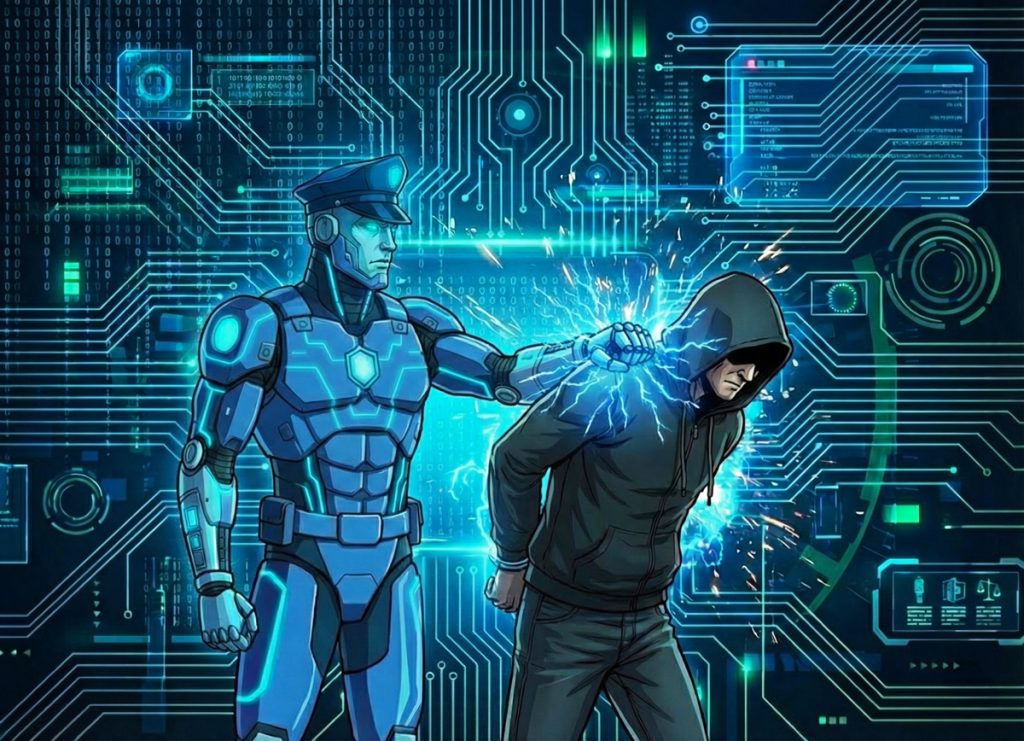
The old model waited for humans to respond after a breach. Now AI systems isolate threats instantly — quarantining accounts, freezing suspicious processes, locking down devices, or cutting off network segments the moment something looks wrong.
It’s cybersecurity on autopilot, with humans stepping in only when needed. And yes, the robots are surprisingly polite about it.
AI-Powered Phishing Protection
Phishing attacks have gotten too smart for traditional filters, but AI has stepped up. Instead of scanning for known malicious domains, modern filters analyze writing style, sender behavior, sentiment, visual layout, and even psychological patterns.
This means detection remains strong even when attackers deploy generative AI to mimic corporate tone, copy brand templates, or craft individualized messages.
Quantum-Aware Security Takes Shape
With quantum computing inching closer to practical threat territory, AI systems are already prepping. They’re helping organizations simulate quantum-powered attacks, test post-quantum encryption, and harden systems before the first big quantum breakthrough arrives.
It’s not science fiction anymore — it’s early-stage future-proofing.
Better Protection for Remote Workers
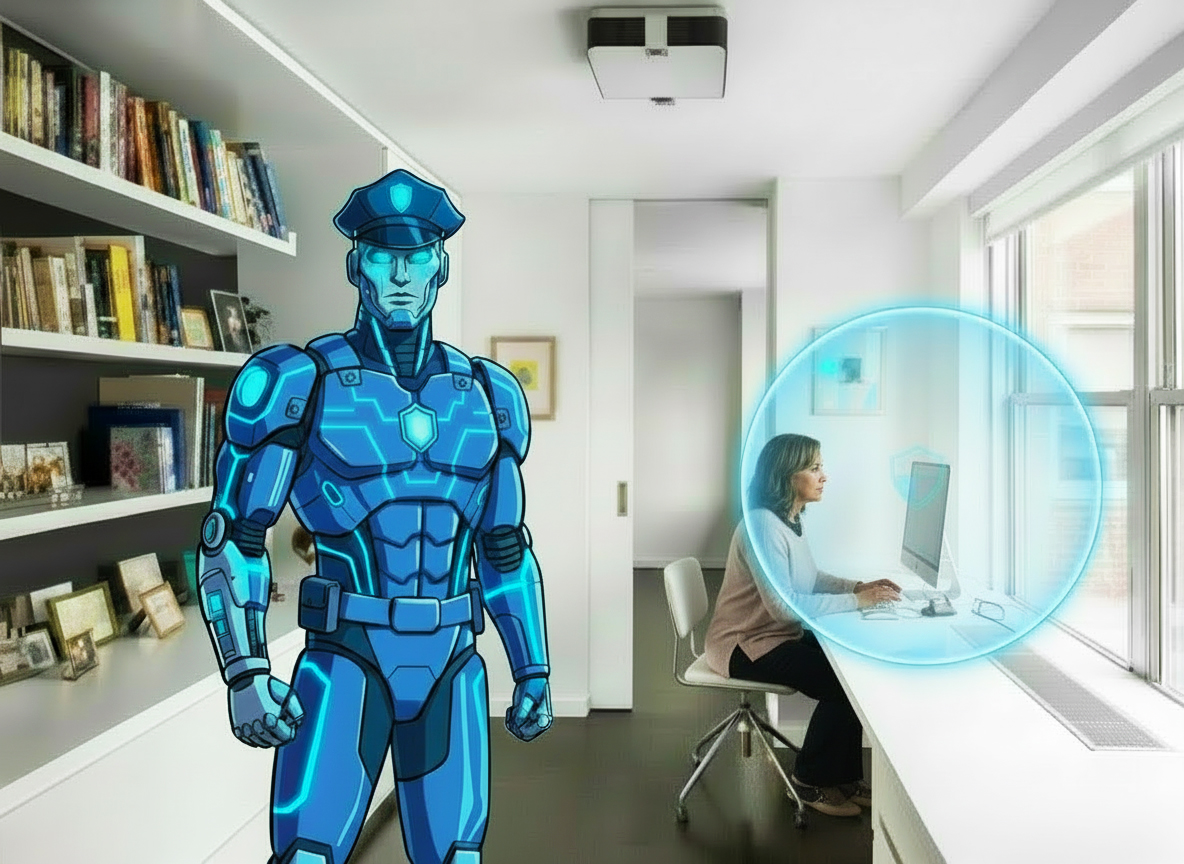
Remote work isn’t fading, and neither are its risks. AI tools now monitor device posture, connection security, and network behavior automatically — adjusting policies on the fly without annoying pop-ups. Employees get smoother workdays; IT teams get fewer fires to put out.
Final Byte
Artificial intelligence has stopped being a “new addition” to cybersecurity — it’s now the backbone. The shift this year is all about autonomy, prediction, and smooth integration into daily tools. As threats become more sophisticated and more automated, AI is the upgrade that keeps security one step ahead instead of one step behind.