
Technology in 2026 is shaping up to be more personal, more seamless, and — finally — more practical. Instead of flashy experiments, the best innovations thrive because they work in everyday life. Here’s where the year is headed, backed by devices that critics and users actually love.
AI That Behaves More Like… You
AI is getting smarter, smoother, and less “show-off” — and some devices already prove it.
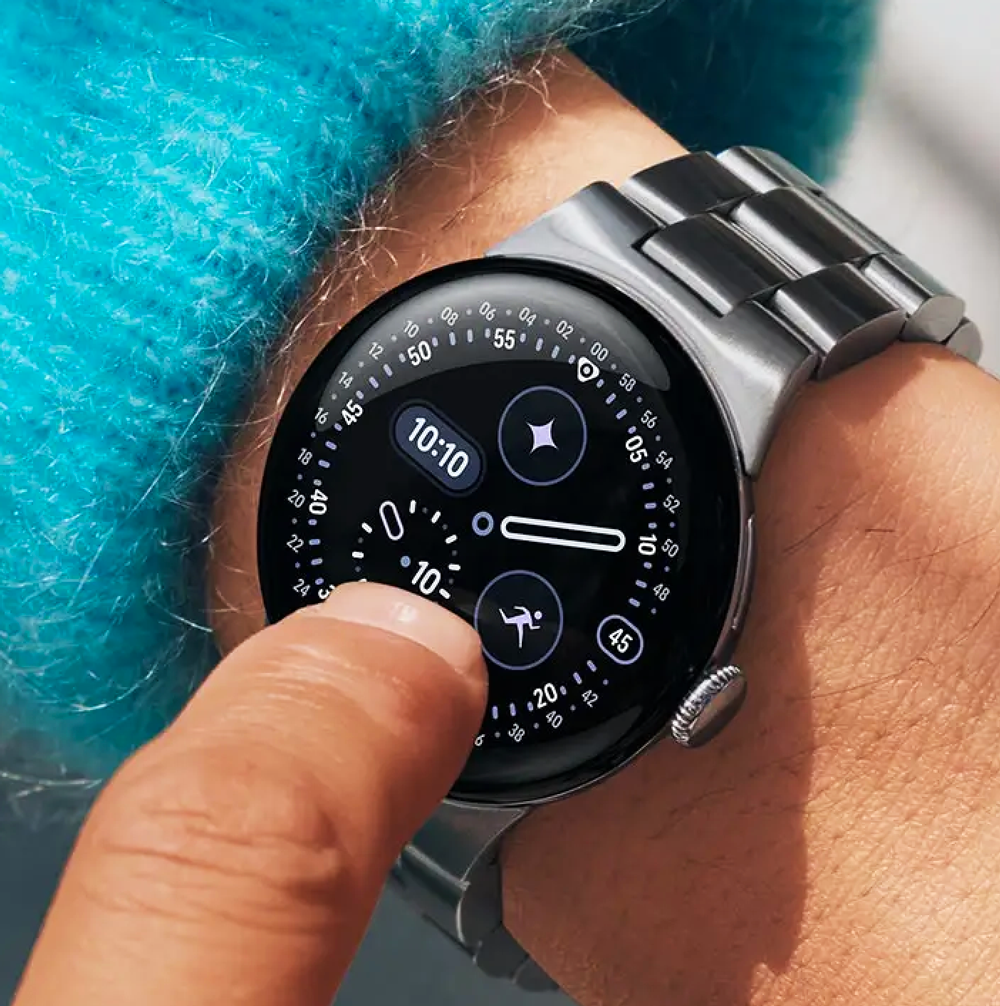
- Pixel Watch 4 earns praise for its reliable AI-driven health tracking and proactive daily suggestions, helping users automate routines without being intrusive.
- AirPods Pro 3 continue to get strong marks for on-device intelligence, adaptive noise control, and seamless ecosystem interaction.
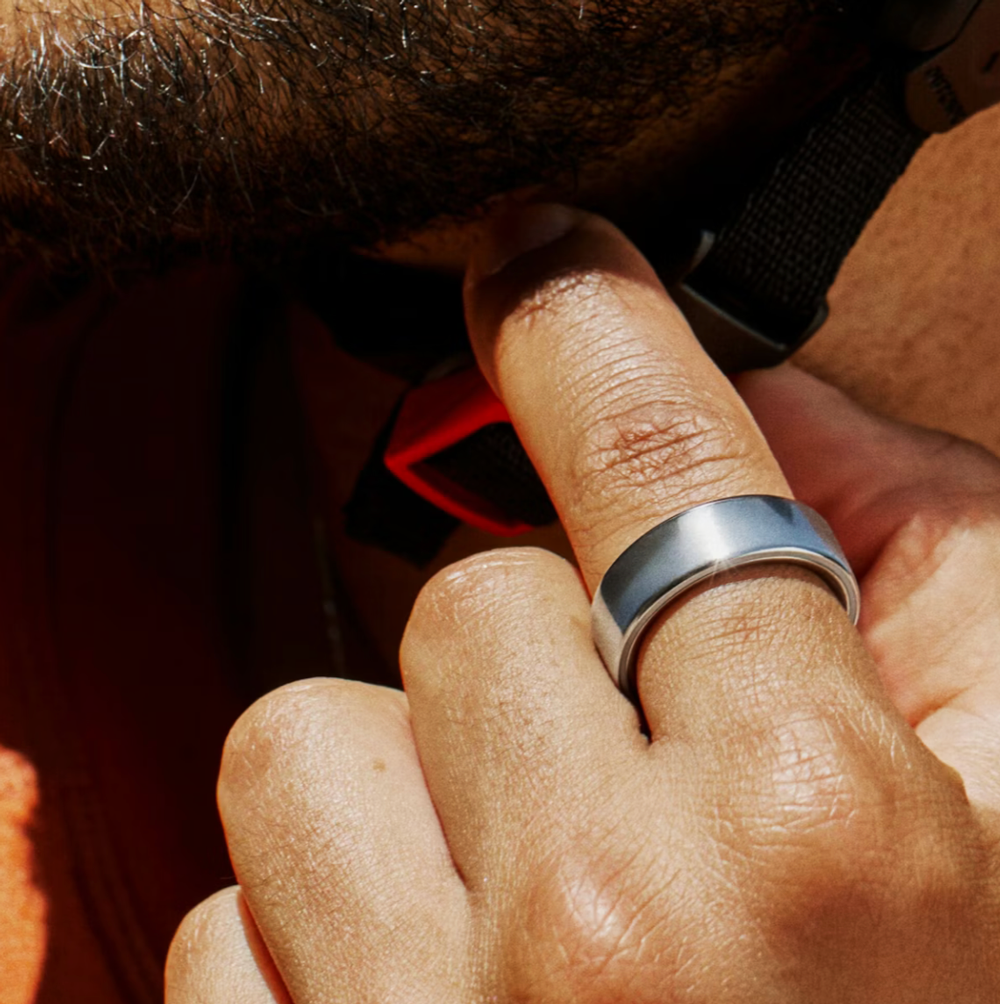
- Oura Ring Horizon is consistently rated one of the most accurate long-term sleep and recovery trackers thanks to trend-focused insights instead of noisy real-time data.
These early successes suggest that 2026 will bring AI features that are quietly helpful, not loudly experimental.
Ambient Computing That Actually Feels Invisible
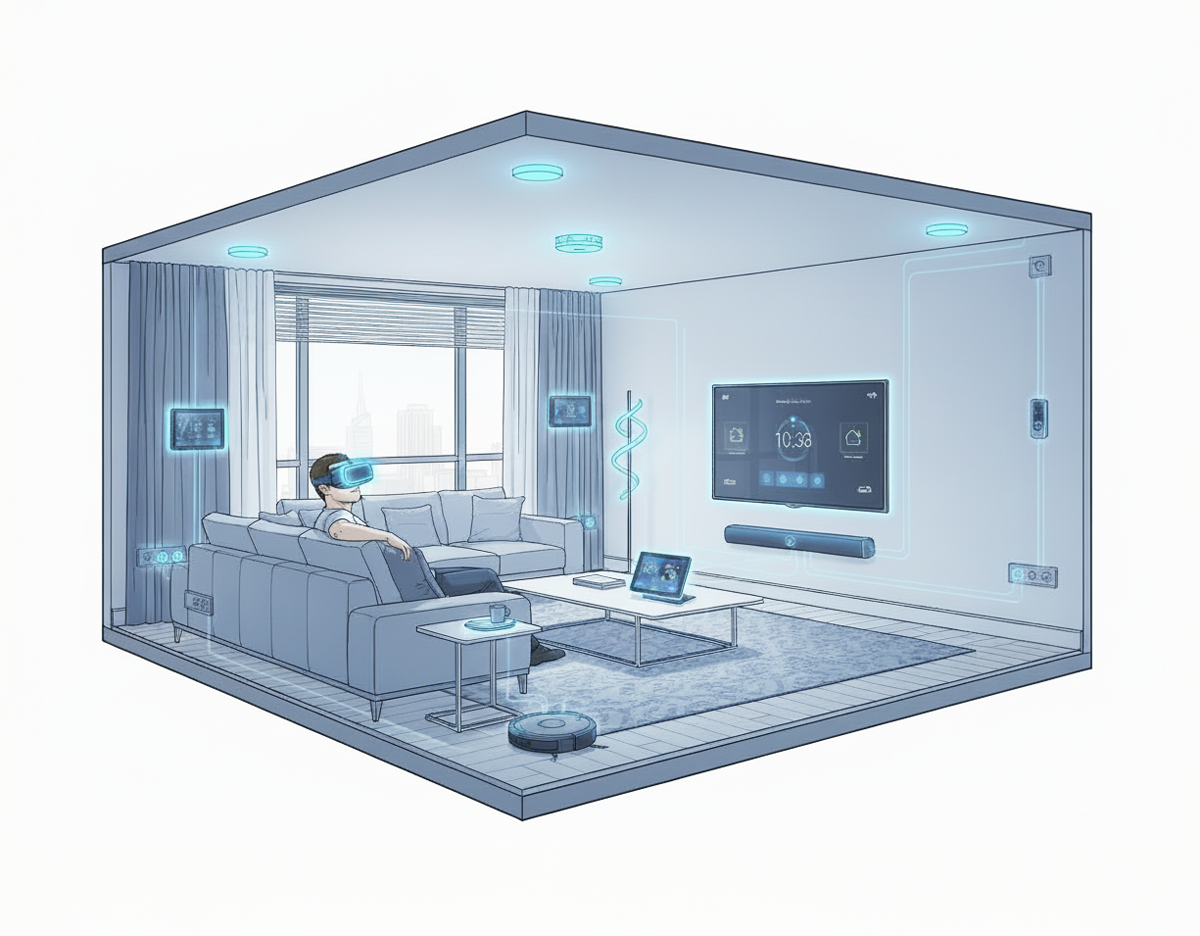
The dream is tech that adjusts to you automatically — and the more mature ecosystems are starting to deliver.
- Nanoleaf Skylight earns strong reviews for lighting that mimics natural rhythms and adjusts based on mood.
- Philips Hue NatureSync gets praise for reliability and the subtle way it blends daily lighting changes into home life.
- Google Nest Panel and Amazon Echo Hub are both praised for organizing smart home routines with simple UI, fast response times, and excellent scene automation.
These are the kinds of products that make ambient computing feel stable and intentional rather than gimmicky.
XR & Mixed Reality — Slow but Solid Where It Matters
XR isn’t replacing phones anytime soon, but it is carving out real wins in comfort and productivity.
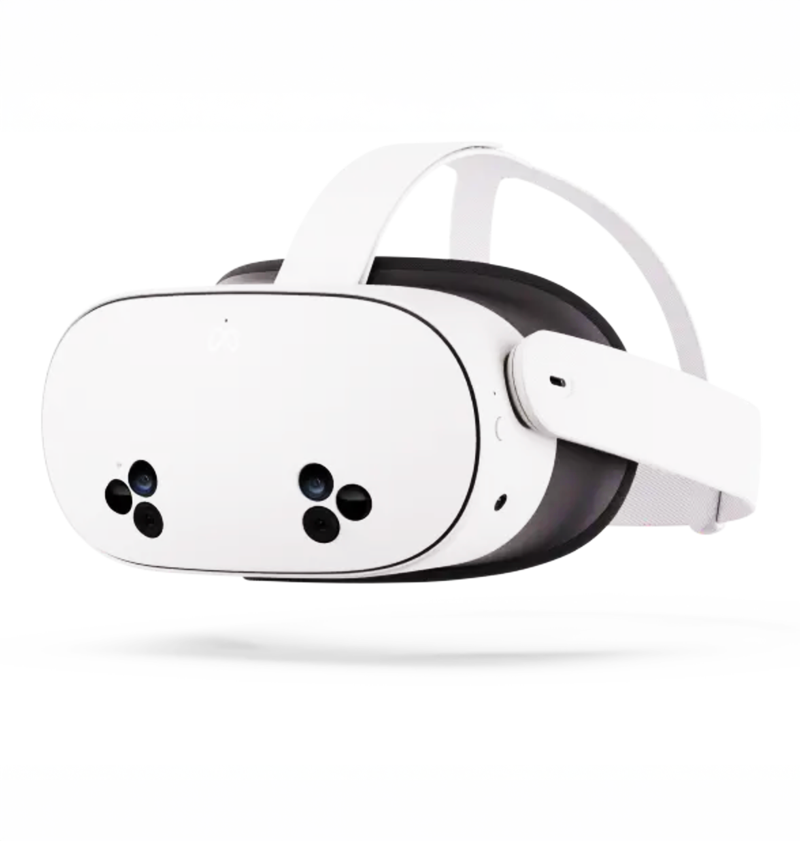
- Lenovo ThinkReality A4 is receiving positive early reviews for being lightweight, comfortable, and specifically useful for workplace productivity and training.
- Meta Quest 3S is widely praised for excellent price-to-performance balance, improved comfort, and a growing library of apps that finally feel useful outside gaming.
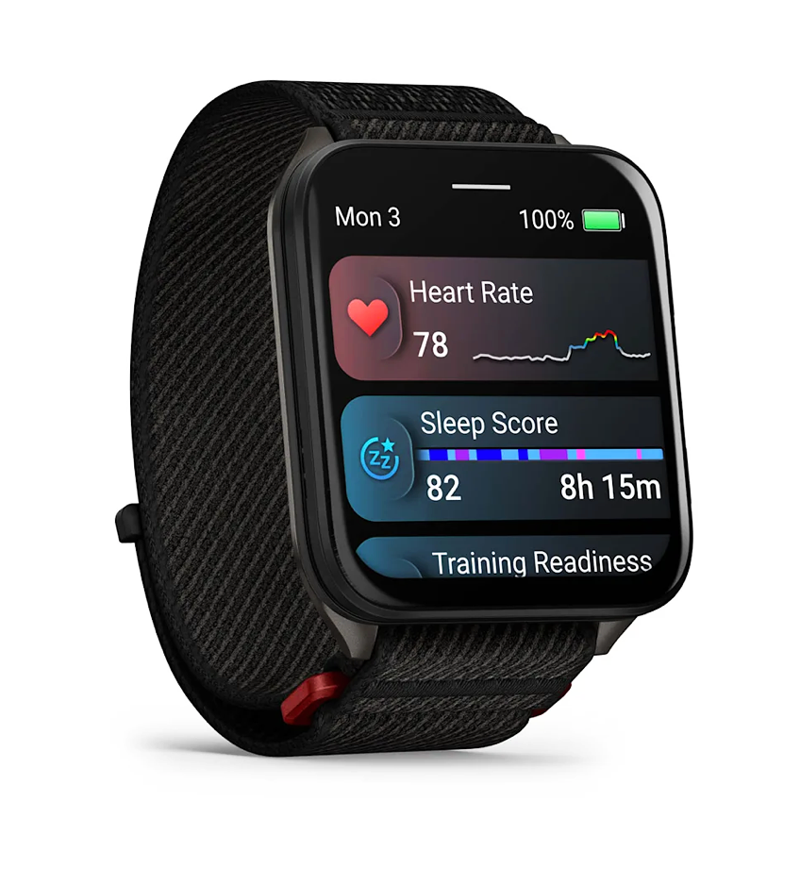
- Garmin Venu XR Edition gets good marks for blending fitness overlays with reliable health tracking rather than trying to reinvent everything at once.
These examples show that XR thrives when it supports real tasks instead of trying to replace core devices.
Sustainable & Modular Devices Finally Getting It Right
Sustainability isn’t a buzzword anymore — and the devices doing it well are being rewarded.
- Fairphone 6 consistently receives strong reviews for its repairability, long-term support, solid everyday performance, and responsible build materials. Reviewers note that while it’s not a camera king, it excels at what it aims for: longevity and ease of maintenance.
- Dell Concept Luna–inspired laptops (now maturing into consumer models) are earning positive early feedback for modular parts and reduced waste, offering sustainable computing without feeling “cheap.”
- Framework Laptop 17 receives high marks for upgradability, sustainability, and user-replaceable components, with reviewers praising its long lifespan and flexible configurations.
The trend is clear: consumers want devices they can keep, fix, and upgrade — and the best-reviewed ones prove it’s doable without compromises.
Cars Turning Into Digital Platforms
Smart vehicles keep getting smarter — but the good news is that the best upgrades feel polished, not experimental.
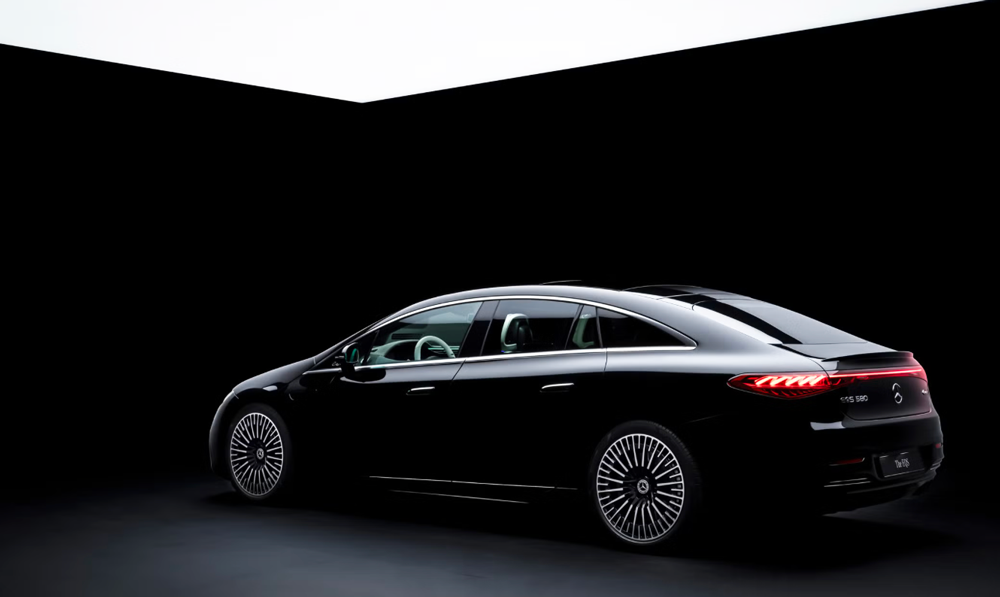
- Mercedes EQS receives glowing reviews for intuitive in-car software, stable over-the-air updates, and smart assistant features that actually reduce workload.
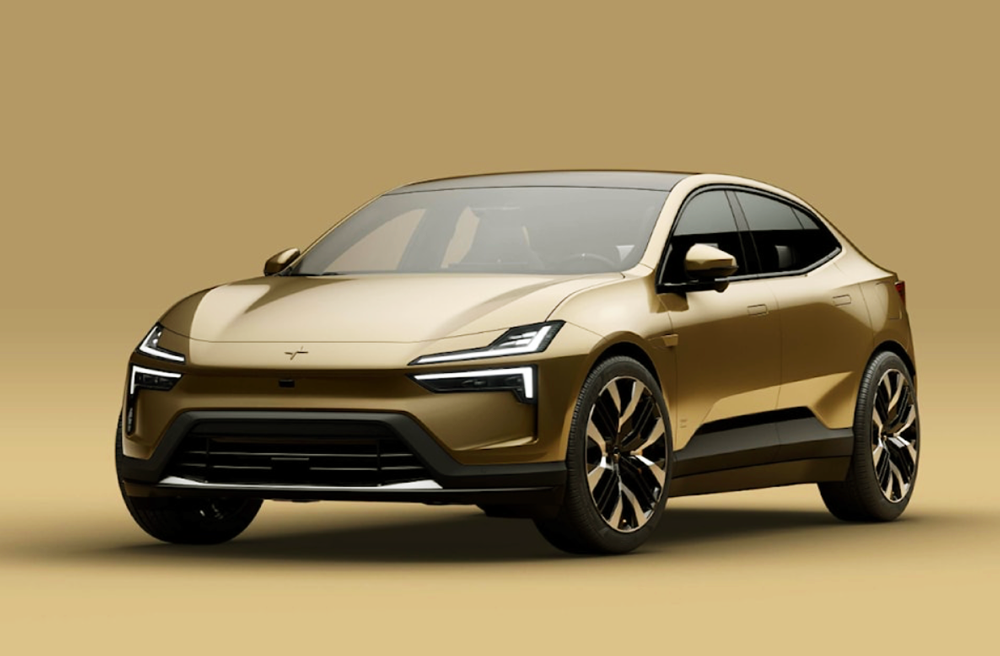
- Polestar 4 is praised for its clean UI, Google-powered intelligence, and highly responsive navigation and route optimization.
- BMW’s Digital Cabin continues to earn strong marks for personalization, cabin ambiance, and smooth integration with phones and wearables.
The winners here are systems that feel car-first — not like an app pretending to be a vehicle.
Workflows That Truly Feel Smoother
AI-powered productivity isn’t hype when it’s backed by devices that perform.
- Microsoft Copilot+ PCs (like Surface Laptop 7 and Acer Swift Go AI) are earning strong early reviews for real-time summarization, fast local AI processing, and smoother multitasking.
- Logitech Sight and Insta360 Link 2 both earn praise for improving hybrid work with smart framing, crisp image quality, and whisper-quiet motor movement.
- Zoom LiveSense and Google Workspace 2026 get good feedback for stable AI-powered transcription and translation, making cross-language collaboration nearly frictionless.
This is the quiet revolution: tools that make work feel more natural instead of more complicated.
Final Byte
2026 will be defined by tech that finally delivers: dependable AI features, sustainable devices built to last, XR tools with real-world purpose, and smart homes and cars that feel calm instead of chaotic. The best-reviewed gadgets already point to a future where technology feels less like a circus act — and more like something that genuinely improves daily life.