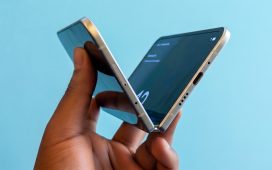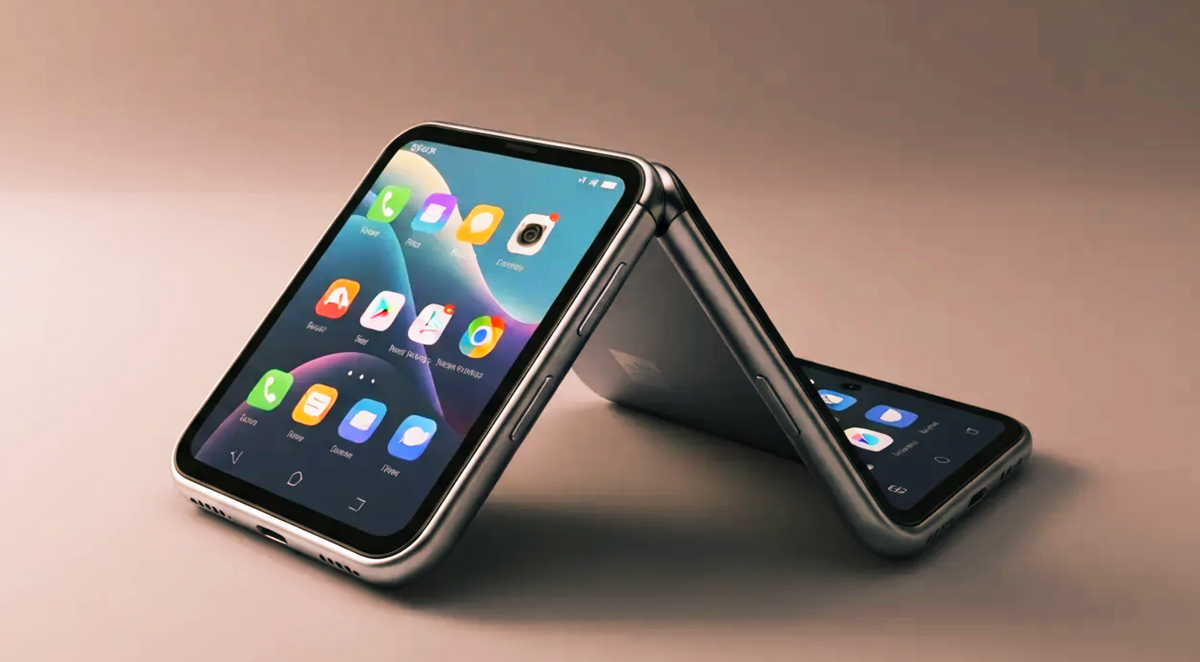
Foldable smartphones have been promising a glimpse of the future for nearly a decade. The idea is simple: a phone that transforms into a tablet-sized display. Early versions, however, came with compromises—fragile screens, bulky designs, and extremely high prices.
In 2026, the category looks very different. New hinge technology, stronger glass, and better software have significantly improved the experience. But the real question remains: are foldables finally practical for everyday users, or are they still niche gadgets for tech enthusiasts?
The Hardware Has Matured
The biggest improvement in foldables over the past few years is durability. Early devices were criticized for fragile hinges and delicate inner displays. Today’s models are far more resilient.
Manufacturers have strengthened hinge mechanisms and flexible glass layers, allowing many modern foldables to survive hundreds of thousands of folds. Some current devices are rated for around 500,000 folds, which can equate to many years of daily use for the average owner.
New materials are also helping:
- Ultra-thin glass layers that are thicker and more impact-resistant
- Titanium or reinforced steel hinges
- Improved drop protection and stronger external glass
- Higher levels of water and dust resistance
Some newer foldables now achieve IP68 dust and water resistance, a significant milestone for devices with moving parts. Design has also evolved. The latest foldables are thinner and lighter than earlier generations, with some approaching the size and weight of traditional flagship phones.
A Tablet in Your Pocket
The biggest reason people consider a foldable is the display.
When closed, most foldables function like a standard smartphone. Open them, and the inner display expands into a small tablet—typically around 7.5 to 8 inches.
That larger screen unlocks several advantages:
- True multitasking with multiple apps open side-by-side
- Better productivity for documents and email
- A larger canvas for gaming and streaming
- Improved stylus support for note-taking and drawing
For many users, the experience sits somewhere between a phone and a compact tablet. This hybrid approach is the core appeal of the category.
Software Finally Caught Up
Hardware improvements alone would not have been enough. Early foldables often struggled with poorly optimized apps that didn’t scale properly to the larger screen. That has changed significantly.
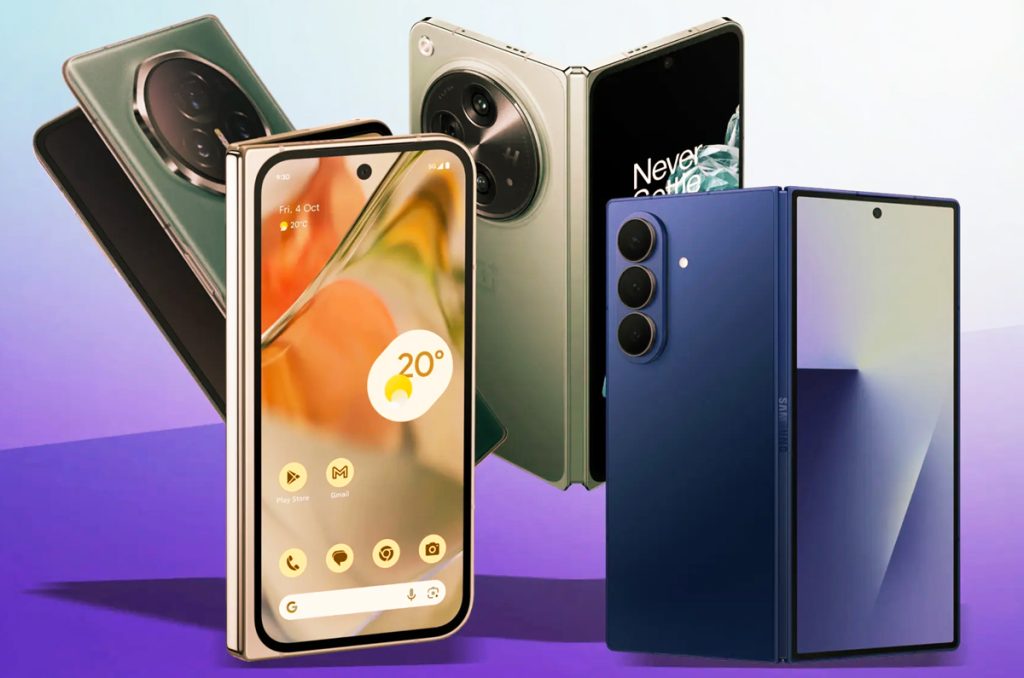
Android now includes native support for foldable displays, allowing apps to automatically adapt when the phone unfolds. Many major apps—especially productivity tools, streaming platforms, and messaging apps—now support multi-window layouts and dynamic resizing.
Manufacturers have also introduced custom multitasking tools that allow users to pin apps, drag content between windows, and save split-screen combinations. In short, foldables now feel like devices designed for large screens, not just stretched smartphones.
The Price Problem
Despite all the improvements, foldables remain expensive. Most flagship foldables still launch around $1,700–$2,000, which is hundreds of dollars more than traditional flagship phones.
That price gap remains one of the biggest barriers to mainstream adoption. While prices are slowly falling, the complex engineering and specialized displays still keep foldables firmly in the premium category. For many buyers, the value proposition depends on how much they benefit from the larger screen.
The Remaining Trade-Offs
Even in 2026, foldables are not perfect. Several compromises still exist:
Battery life
Larger displays and ultra-thin designs can lead to smaller batteries or higher power consumption.
Camera quality
Some foldables still lag behind the best traditional flagship phones in camera hardware.
Durability concerns
While durability has improved dramatically, foldables still contain more moving parts than standard smartphones.
Weight and thickness
Even the thinnest foldables tend to be slightly heavier than conventional phones.
For many users, these trade-offs are acceptable. For others, they remain deal-breakers.
So… Are They Worth Buying?
For the first time, the answer is: it depends on how you use your phone.
Foldables are now mature enough to serve as reliable daily devices. Improvements in hinge design, glass durability, and software optimization have solved many of the early problems.
They are worth considering if you:
- Multitask frequently on your phone
- Watch a lot of video or read on your device
- Want a tablet experience without carrying a second device
- Enjoy cutting-edge hardware
However, traditional flagship phones still make more sense if you prioritize:
- Lower cost
- Maximum durability
- Best-in-class cameras
- Simpler design
Final Byte
Foldables have crossed an important threshold. What was once experimental hardware is now a legitimate smartphone category. They are still premium devices, but they are no longer fragile novelties. For users who want the flexibility of a phone and tablet in one device, 2026 may finally be the year when foldables make practical sense.